
Research
Research reports on pets in India
Built from public datasets nobody had tabulated for pets, with the data published beside every report so the numbers can be checked and reused.

Quick answer
Bonbeno research reports take a public dataset about pets in India, such as kennel club registrations, the livestock census, dog-bite surveillance or household expenditure data, and publish what it shows, state by state where the source allows, with the full table as a downloadable CSV, a methodology section, and a note on what the source does not measure.
Published reports
6 reports live, newest data first. Each one carries its dataset, its method and its limits.
 Pet Shops in India: The Rules, the Registers and the ShopsData as of 1 November 2026, 9-row datasetSince September 2018 no one in India may sell a puppy, a kitten, a parakeet or a goldfish without a certificate from the State Animal Welfare Board.
 India's Pet Products Market: Imports, Standards and GrowthData as of 1 November 2026, 11-row datasetEvery press release about India's pet market quotes a different number, and the gap between the smallest and the largest is more than tenfold.
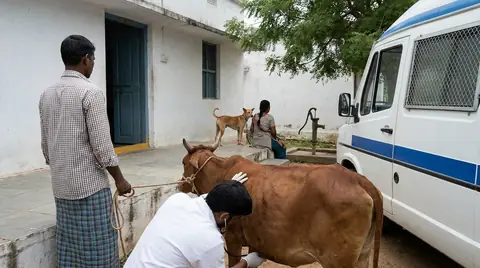 Veterinarians in India by State: The Vet Access Index 2026Data as of 31 October 2026, 37-row datasetIndia's veterinary workforce has grown faster than its herd, yet one government post in four is empty, three large states run no mobile unit and…
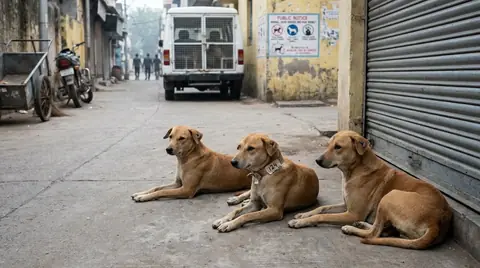 Stray Dogs in India by State: 2012 vs 2019 Census CountsData as of 31 October 2026, 37-row datasetTwo livestock censuses have asked every village and ward in India to estimate its stray dogs.
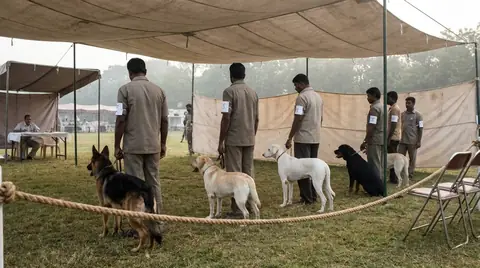 KCI Registrations 2014-2025: The Pedigree Boom and BustData as of 31 October 2026, 12-row datasetThe Fédération Cynologique Internationale publishes the Kennel Club of India's annual returns and nobody in India reads them.
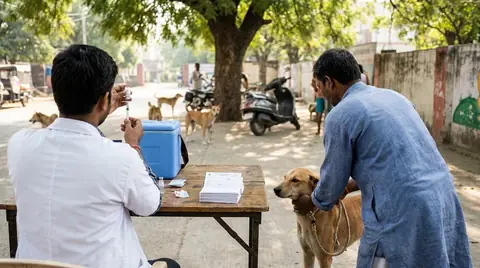 Dog Bites in India by State 2022-2025: Rates and DeathsData as of 31 October 2026, 37-row datasetThe Integrated Disease Surveillance Programme publishes dog bite cases for every state, Parliament has laid the tables, and a national survey has…
How these reports are built
Five rules, applied to every report in the series.
- Built from a dataset, not from a summary of one. A report earns a citation by computing something from public data that nobody has tabulated for pets.
- The data ships with the report. Every report publishes its tidy CSV beside the page.
- State or city rows wherever the source allows. A national total is a headline; a state table is a reference.
- A methodology section a sceptic can audit, including what the source does not measure.
- Charts are drawn from the data by code, so a figure can never disagree with the table it sits over.
Common questions
Where does the data in these reports come from?
From the primary publisher in every case: a government census or survey, a parliamentary reply, a kennel club's own statistics, a company's audited filing. Market-research estimates are quoted only to be compared with each other, never as a report's own finding, and every figure links to the page it was read from.
Can I reuse the data?
Yes. Each report's dataset is published beside it as a CSV under a Creative Commons Attribution 4.0 licence. Cite Bonbeno and the underlying source named in the report's methodology section.
How often are the reports updated?
When the source publishes new data. Each report carries a visible data-as-of date that is separate from the page's last edit, so a re-edited sentence never implies fresher data than the source has.
Why does a report say what it does not measure?
Because every public dataset has an edge. A livestock census counts street dogs by household enumerators and under-reads cities; dog-bite surveillance counts presentations at public facilities, so a rising count can be rising access. A report that hides that is a press release.