
Pet care guides for Indian conditions
Vaccination timing, feeding, grooming through the monsoon and keeping a dog safe through an Indian summer.
Quick answer
Bonbeno care guides cover the practical side of keeping a pet in India: vaccination schedules and timing, feeding by life stage, grooming through humidity and monsoon, summer heat management and puppy socialisation. Written for Indian conditions and cited throughout.
What this section covers
Care guides answer the questions that come after you have chosen a breed and brought an animal home.
- Vaccination schedules and the socialisation window that overlaps them, which is the most consequential timing decision of a puppy's first year.
- Feeding by life stage, including controlled growth in large breeds and feeding to body condition rather than to a chart.
- Grooming in Indian humidity, where double coats mat close to the skin and monsoon damp drives hot spots.
- Summer heat management, where Indian temperatures cross 45 C and double-coated breeds are at genuine risk.
- Bringing home a rescue, including the settling period and what to expect in the first eight weeks.
Published guides
187 guides live, grouped by life stage. Each one answers its question for Indian conditions, cites its sources inline, and says which species and life stage it is written for.
Puppies and kittens
 Dog Breeding Rules India: The Buyer's Breeder ChecklistDogs, puppySeven checks with the clause behind each one, what the State Board certificate looks like, which state publishes its register, what a KCI paper does…
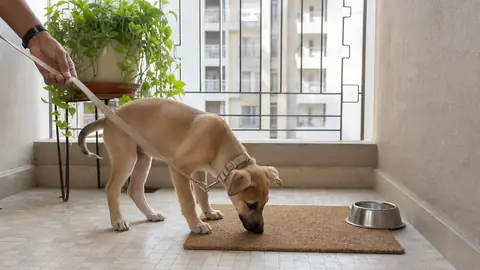 Dog Toilet Training in India: Flat Schedule, Pads, RulesDogs, puppyWhat AVSAB, AAHA and the VCA behaviourists actually say about house training, the hours a puppy can hold on at 2, 3 and 4 months in three competing…
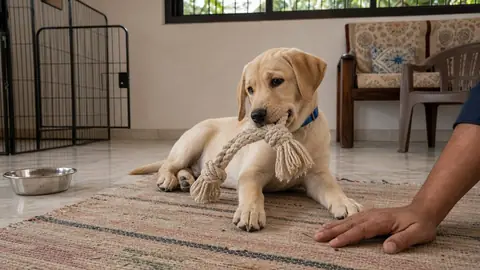 How to Stop Puppy Biting: What Works, What Makes It WorseDogs, puppyMouthing is social play, not defiance. The method that works is redirect, withdraw and reward, the punishments people reach for have measured fallout…
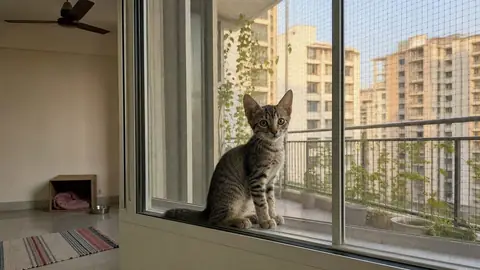 How to take care of a kitten in India: the first yearCats, kittenThe first year with a kitten in an Indian flat, laid out by age band: 8 to 12 weeks, 3 to 6 months and 6 to 12 months, with the vaccine and deworming…
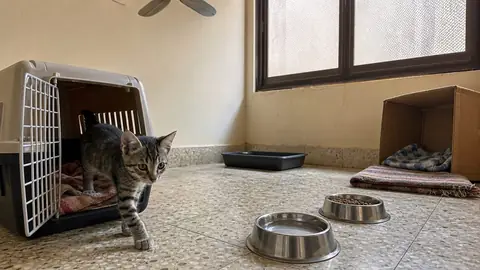 New Kitten in India: First 48 Hours and First Two WeeksCats, kittenRanking pages tell you to get a safe room ready and book a vet.
 New Puppy in India: First 48 Hours and First Two WeeksDogs, puppyRanking pages tell you to get the paperwork signed and book a vet.
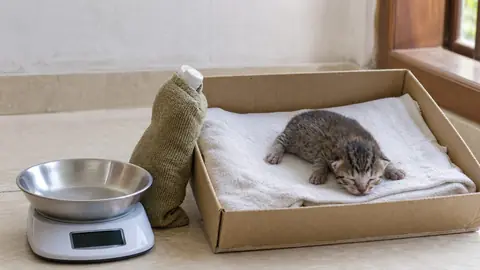 Newborn kitten care in India: feeding, warmth, weight, vetCats, kittenBirth to eight weeks, with the mother and without her: the feeding volumes, box temperatures and weight thresholds quoted from International Cat Care…
 Newborn puppy care in India: feeding, warmth, weight, vetDogs, puppyBirth to four weeks with the mother and without her: the box temperatures and feeding volumes quoted from the Merck Veterinary Manual and three milk…
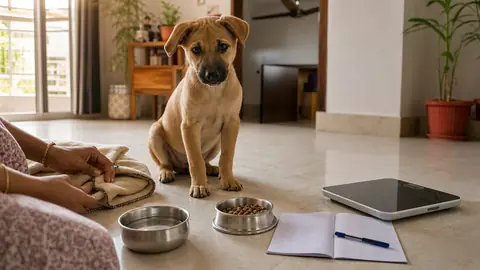 Puppy Care in India: First-Year Schedule and Costs 2026Dogs, puppyThe first year of a puppy in India laid out in three age bands, with each date taken from the guideline that sets it, the Indian rule or portal that…
 Puppy Food Chart India: Grams, Meals and Cost by AgeDogs, puppyEvery ranking page copies one brand's bag table or prints cups.
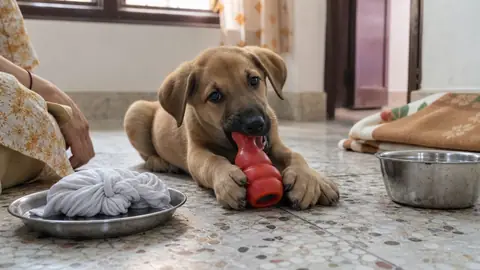 Puppy Teething: Timeline, Signs and Safe Chews in IndiaDogs, puppyThe exchange of 28 milk teeth for 42 adult teeth, dated from the Merck Veterinary Manual and the AAHA dental guideline rather than from a blog, with…
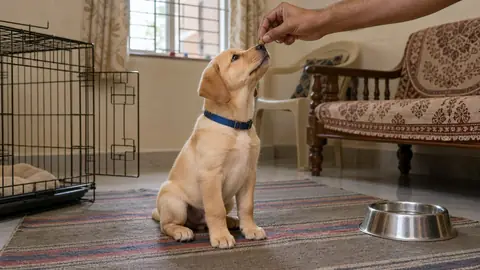 Puppy Training in India: First 6 Months, Without PunishmentDogs, puppyWhat to teach a puppy in its first six months and in what order, why the veterinary behaviour bodies say rewards only, when an Indian puppy can start…
Adult dogs and cats
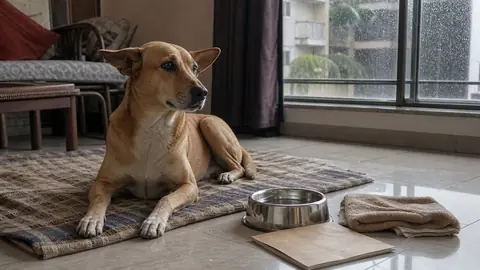 Adult Dog Care Tips for India: Annual and Seasonal RoutineDogs, adultThe adult years, from the end of growth to the AAHA senior threshold, laid out as a yearly calendar and a seasonal one, with every interval taken from…
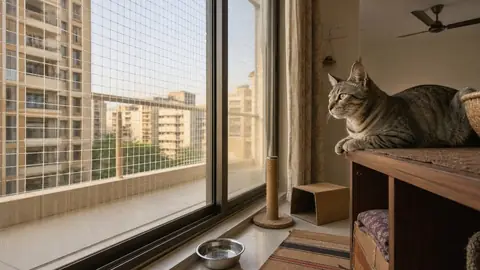 Cat care tips for adult cats in India: the annual routineCats, adultThe hub for the adult years, 1 to 10, in an Indian flat: what the 2021 AAHA/AAFP guideline puts in the annual visit and its diagnostics table, the…
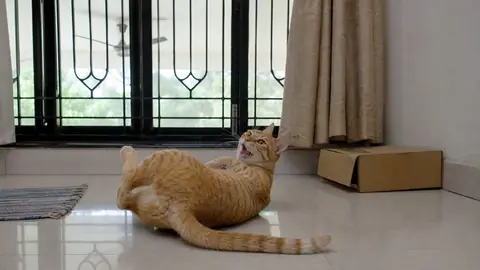 Cat in heat: signs, how long it lasts, what to do in IndiaCats, adultThe cycle from International Cat Care and the Merck Veterinary Manual, the signs and the non-signs, what helps at home, the hormone injection an…
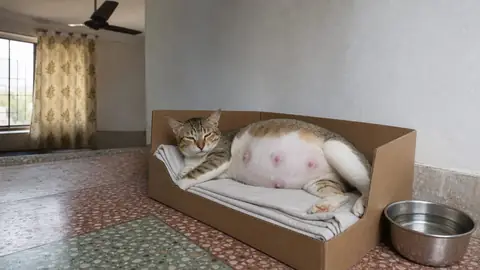 Cat pregnancy period: length, signs, birth, India careCats, adultThe gestation length with its range from the veterinary literature and a Mumbai study of Persian queens, the signs week by week, what to feed and what…
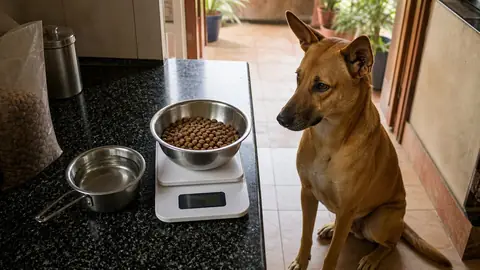 Dog Diet Chart India: Daily Grams by Weight and RupeesDogs, adultDaily kilocalories, grams of three Indian-sold foods and rupees per day for 5, 10, 20 and 30 kg dogs, from the energy equation the brands themselves…
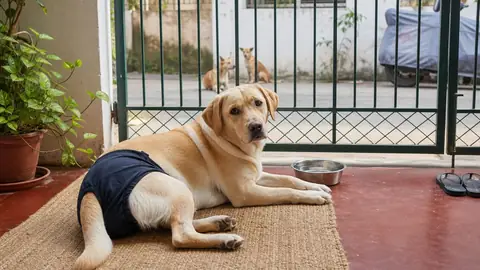 Dog Heat Cycle: Stages, Days, Signs and Care in IndiaDogs, adultThe biology from Cornell and Merck with every day range and its source, a counting method for the fertile window, the three weeks of managing a bitch…
 Dog Pregnancy: Length, Signs, Feeding, Whelping in IndiaDogs, adultSixty-three days from ovulation, and almost nobody in India knows the ovulation date.
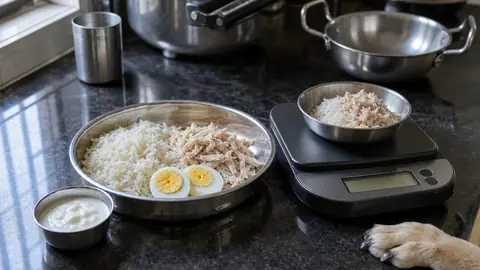 Homemade Dog Food India: Balance It and Cost Per DayDogs, adultThe nutrient minimums a home-cooked adult dog diet has to meet, from the NRC 2006 report and FEDIAF's 2025 tables;
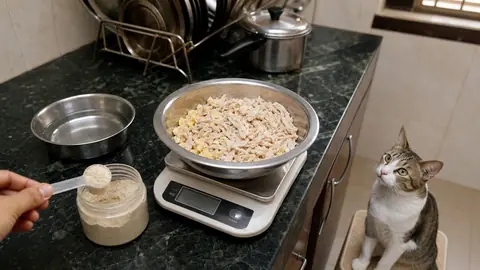 Homemade cat food in India: needs, unsafe foods, costCats, adultWhat the NRC and FEDIAF tables say a cat must get, the four nutrients a cat cannot make, what 114 checked recipes got wrong, the Indian kitchen foods…
Senior dogs and cats
 Pet Cremation in India: Euthanasia, Burial Law, CostsDogs and cats, seniorThe decision, the procedure and the law, plainly: what the AAHA and AVMA guidelines say about when and how, what the PCA Act, the ABC Rules and the…
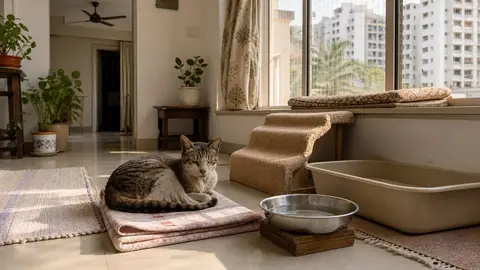 Senior Cat Care in India: What Changes After TenCats, seniorA cat is senior from ten under the 2021 AAHA/AAFP guideline. This guide sets out what changes after that and what to do about it in an Indian flat…
 Senior Dog Care in India: Age, Tests, Food and PainDogs, seniorOld age is not a disease. This guide gives the breed-by-breed date a dog becomes senior, the AAHA test list with government prices, what senior food…
Every life stage
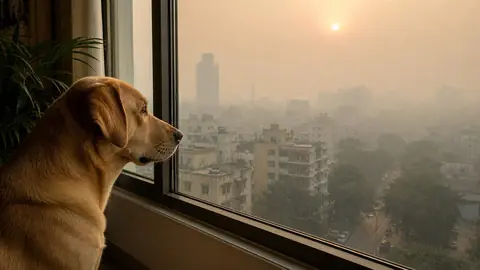 Air pollution effect on pets in India, all year roundDogs and cats, all life stagesNobody has measured what a dog on an Indian street inhales. What the veterinary literature, India's own index and one South Asian purifier trial do…
 Are Pets Allowed in Flight in India? Airlines, Fees, RulesDogs and cats, all life stagesEvery figure on this page was read on the carrier's own pet page on 18 September 2026, with the DGCA circular that caps cabin pets at two, the IATA…
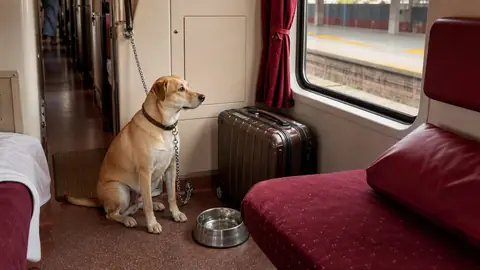 Are Pets Allowed in Train? Indian Railways Rules 2026Dogs and cats, all life stagesEvery rule read from the railway's own documents: the IRCTC terms, the Southern and Eastern Railway releases, the Railway Board summary, the Coaching…
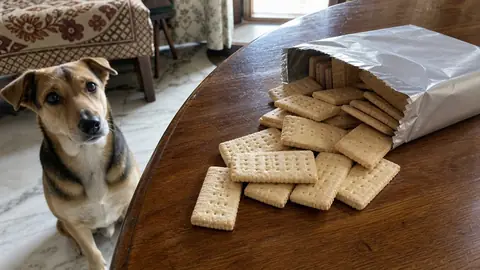 Are biscuits bad for dogs? Reading three Indian labelsDogs, all life stagesNobody feeding a biscuit to a dog is being unkind. The packet is cheap, it is at every shop, and the dog is delighted.
 Are dog parks good or bad for dogs? The evidenceDogs, all life stagesSerious fights at a dog park are rare, and somebody counted them. The ground is the part nobody counts.
 Are dogs allowed into cafes in India? What FSSAI saysDogs, all life stagesFour documents decide whether your dog sits with you, and the pages ranking for this question have opened none of them.
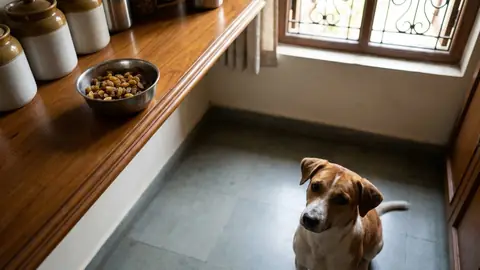 Are grapes toxic to dogs? The dose nobody can give youDogs, all life stagesFour published cohorts disagree about how dangerous a grape is, and both answers are true. The reason is which dogs each study counted.
 Are pets allowed in Uber or Ola? What the apps publishDogs and cats, all life stagesEvery page answering this question in India is a forum thread or a guess.
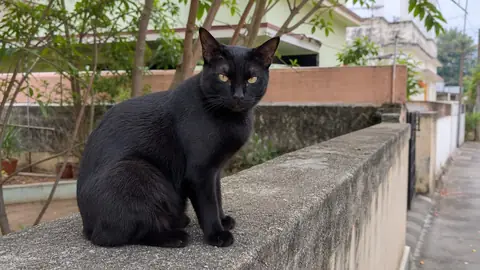 Black cat superstition India: the texts and the real costCats, all life stagesThe oldest Indian text that rules on a cat crossing your path says it confers the desired result. It names no colour.
 Camping with dog India: the rules and the nightDogs, all life stagesEvery page ranking for this query is a booking listicle. None of them mentions that the largest state camping system in the Indian hills bans pets…
 Can I give kaju katli to my dog, and which mithai is toxicDogs, all life stagesThree questions sort any sweet in ten seconds. Does it carry cocoa, does it carry kishmish or imli, and is it sugar-free.
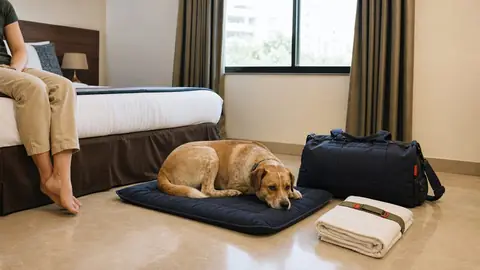 Can I leave my pet in a hotel room? Indian hotel rulesDogs and cats, all life stagesOne Indian resort chain forbids it at any time. Four allow it only with the animal shut in a crate. One says nothing at all.
 Can Neighbours Complain About Dog Barking in India?Dogs, all life stagesIndia's noise rules list loudspeakers, horns and machines, and never an animal.
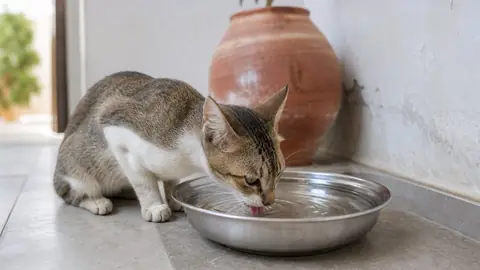 Can cats drink milk? Cow and buffalo milk measuredCats, all life stagesA saucer of doodh at the door is one of the kindest habits in Indian pet keeping, and one of the few that is measurably wrong.
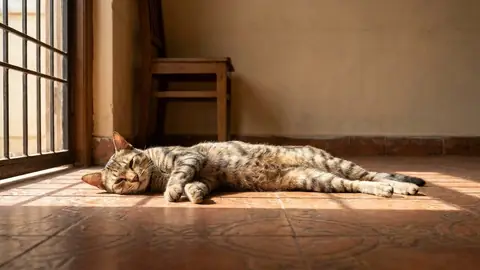 Can cats wear clothes? What the cat evidence saysCats, all life stagesEvery page on this question argues about warmth. The cat answer turns on three things warmth has nothing to do with: a cat grooms its own coat, cools…
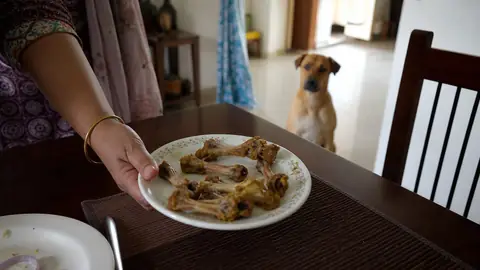 Can dogs eat chicken bones? The evidence, for IndiaDogs, all life stagesOne in five to one in three Punjabi dog owners feeds bone, and it is measured.
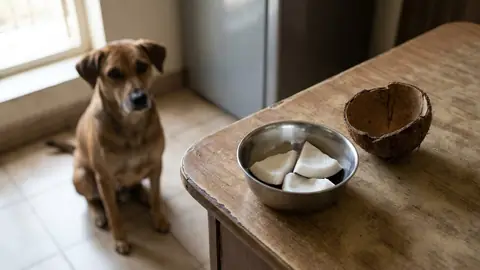 Can dogs eat coconut? Every Indian form, measuredDogs, all life stagesEvery page on this question answers it for one food called coconut.
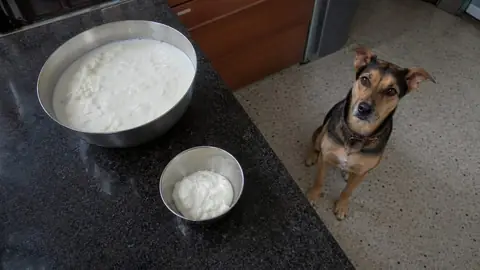 Can dogs eat curd? The dose, in grams, by weightDogs, all life stagesEvery page on this question argues about lactose. The arithmetic says lactose is not the binding constraint.
 Can dogs eat dal? The protein it gives and missesDogs, all life stagesDal is the protein half of the Indian plate, and that is exactly why people put it in the dog's bowl.
 Can dogs eat eggs? One egg is a third of a cat's dayDogs and cats, all life stagesThree Indian studies have counted Salmonella in retail eggs and not one pet page quotes them.
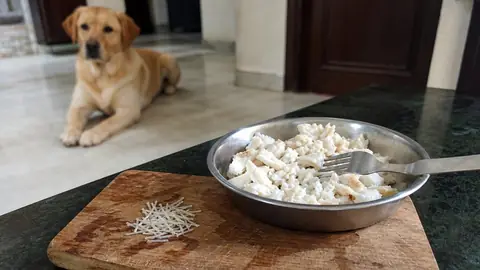 Can dogs eat fish? Rohu, bangda and hilsa, measuredDogs, all life stagesEvery page on this query is written around salmon. India buys rohu, katla, bangda, surmai, pomfret and hilsa, and the four things that matter most…
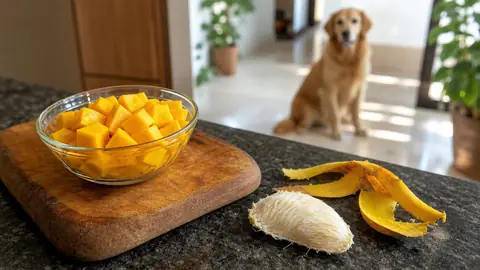 Can dogs eat mango? The stone, the sugar, the skinDogs, all life stagesIndia grows 20.6 million tonnes of mango a year and throws away every stone. The flesh is the easy half of this question.
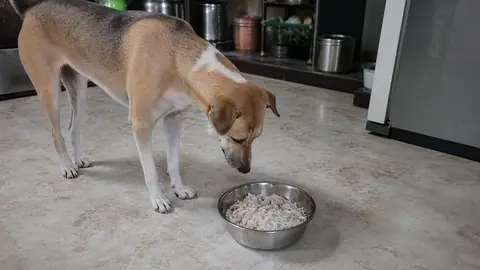 Can dogs eat rice? The portion and the arsenicDogs, all life stagesRice is the most common thing an Indian household puts in a dog's bowl and the honest answer has more in it than yes.
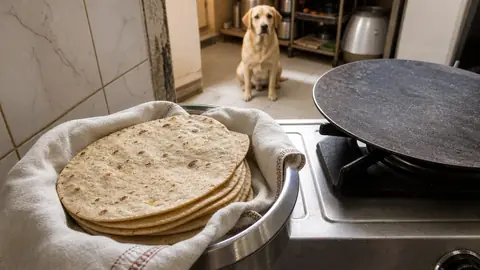 Can dogs eat roti? What two chapattis actually costDogs, all life stagesRoti is the single most-fed human food in the Indian dog bowl, and nobody has published what it costs.
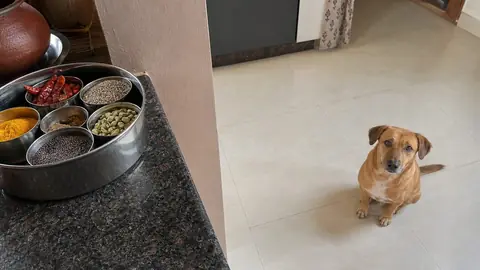 Can dogs eat spicy food? The Indian spice rack, ratedDogs and cats, all life stagesEvery page on this subject says spices are bad for dogs and prints no number. Capsaicin has been measured in conscious dogs.
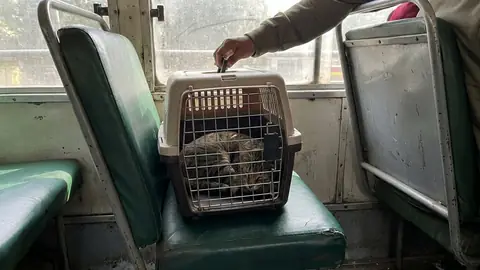 Can dogs travel in bus India? What each operator publishesDogs and cats, all life stagesNine operators, three positions, no national rule. Karnataka publishes a pet rule and then shuts pets out of every air-conditioned service.
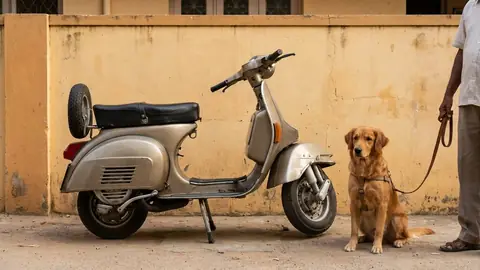 Carrying dog on scooter in India: the law, honestlyDogs and cats, all life stagesNobody counts the dog on the footboard. India's 266-page national crash report uses the word pillion zero times, and the only motor-vehicle rule about…
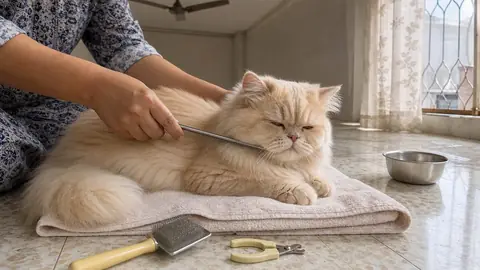 Cat Grooming at Home in India: Brushing, Mats, Nails, HeatCats, all life stagesBrushing by coat with the Persian's daily comb, the mat that must not meet scissors, the bath most cats never need, nails and the declawing rules…
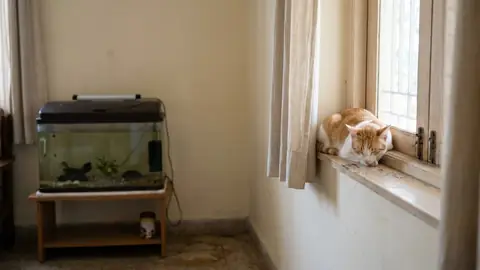 Cat and bird in same house: the Indian rules and risksCats, all life stagesEvery page ranking for this question is written for a house where the bird is legal, the windows are sealed and only the cat lives there.
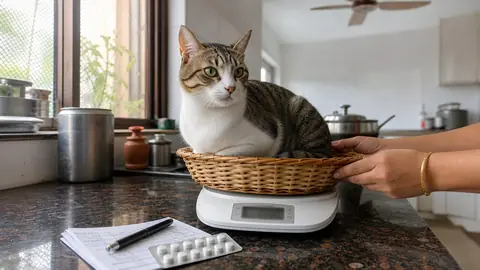 Cat deworming schedule for India: kittens, adults, dosageCats, all life stagesThe kitten weeks and the adult intervals from the three guidelines that disagree, the Indian leaflets that set the age floors and weight bands, the mg…
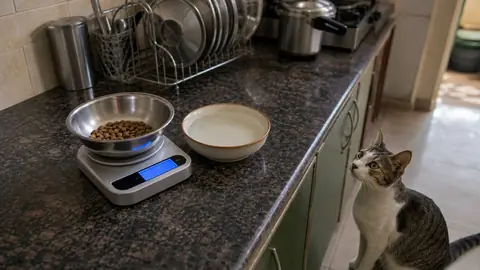 Cat diet chart for India: grams and rupees a dayCats, all life stagesA 4 kg neutered indoor cat needs somewhere between 132 and 253 kcal a day depending on which guideline body you ask, and Royal Canin India prints no…
 Cat net for balcony, windows and indoor cat safety in IndiaCats, all life stagesThe site's single home for the balcony question and the rest of indoor safety: the 1,125-fall Berlin series and the 1987 New York and 2004 Zagreb…
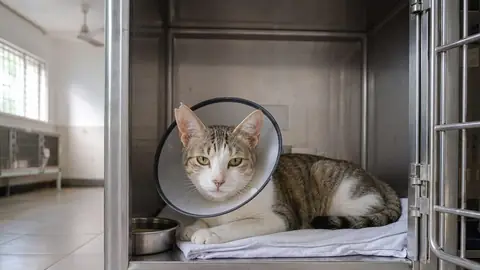 Cat neutering in India: age, cost, recovery, NGO routesCats, all life stagesThe age question answered from the guideline bodies in their own words, the pain question from the WSAVA protocol and the AWBI's own cat guideline…
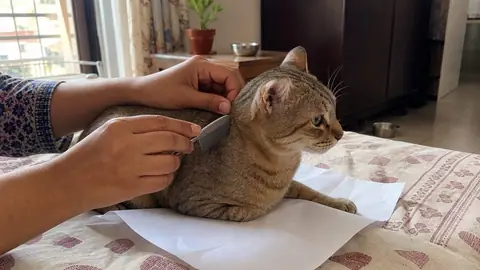 Cat ticks and fleas in India: prevention, safe removalCats, all life stagesFleas are the parasite an Indian cat actually carries; ticks are the one that gets the dog's pipette reached for.
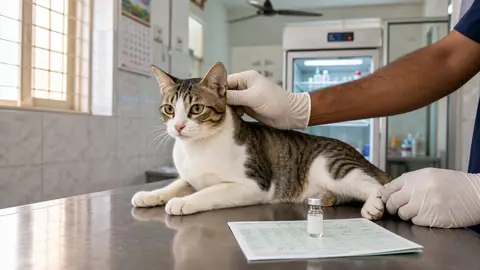 Cat vaccination schedule in India: kittens, boosters, costCats, all life stagesThe kitten series and adult boosters under WSAVA 2024, set against what Delhi, Mumbai, Bengaluru and Chennai clinics actually book, the rabies…
 Cats and pregnancy India: what the evidence showsDogs and cats, all life stagesIn the largest study of its kind, contact with cats was not a risk factor for toxoplasmosis in pregnancy at all.
 Chocolate poisoning in dogs: the dose, for Indian ownersDogs, all life stagesThe numbers every chocolate calculator uses trace to one unpublished poison-centre dataset and a confectioner's product page from October 2000.
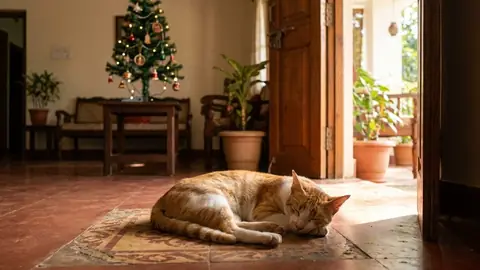 Christmas safety for pets in India: myth and real riskDogs and cats, all life stagesEvery page on this subject prints the same list of poisonous Christmas plants and never says where the numbers came from.
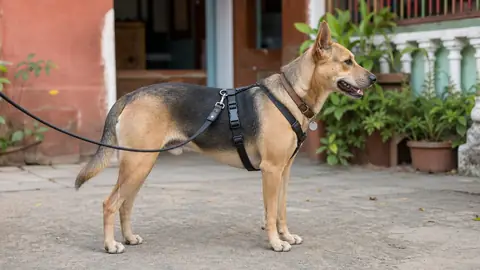 Collar or harness for dogs: what the evidence saysDogs, all life stagesPulling against a collar raises pressure inside the eye. Pulling against a harness does not.
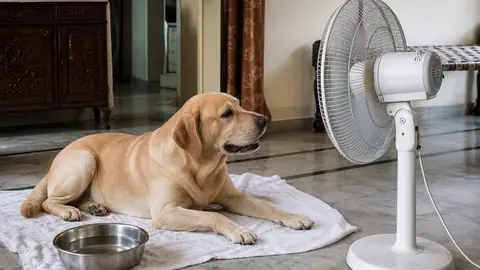 Cooling vest for dogs in India: does the gear work?Dogs, all life stagesEvery page selling summer gear to Indian dog owners describes how a cooling vest works.
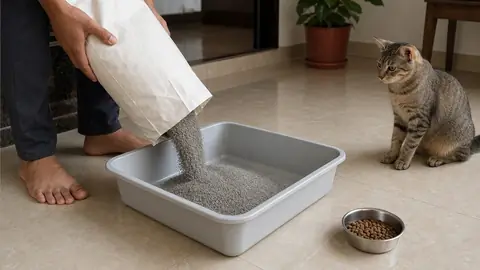 Cost of keeping a cat in India: a monthly budgetCats, all life stagesLitter is the line a dog does not have. At the cheap end it costs almost as much as the food, and the cheapest honest monthly total we could build is…
 Daily routine for a dog in India: sequence over clockDogs, all life stagesEvery page on this topic hands you a timetable. The welfare literature says the clock is the weakest part of a routine and the reliable signal before…
 Diwali diya pet safety: burns, flames and fairy lightsDogs and cats, all life stagesEvery Diwali page says keep the diya high. None of them says that the burn which hurts least is the deepest one, or that in a series of 208 foreign…
 Diwali pet safety tips for dogs and cats in IndiaDogs and cats, all life stagesEvery Diwali page tells you to build a quiet room. None of them tells you that four days after Diwali the air outside is still over the legal limit…
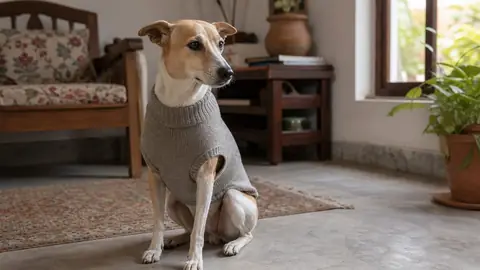 Do dogs need sweaters in winter? The Indian answerDogs, all life stagesEvery Indian winter page tells you which dogs feel the cold. None of them tells you that a dog is thermally comfortable between about 20 C and 30 C…
 Dog Deworming Schedule India: Puppies, Adults, Dose per kgDogs, all life stagesWhat TroCCAP says for the tropics and where ESCCAP, AAHA and the Chandigarh department disagree, the puppy calendar week by week, the pregnant and…
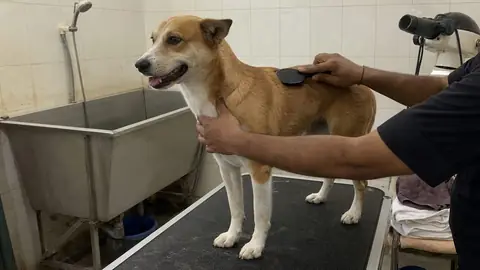 Dog Grooming Cost India: Prices by City and ChannelDogs, all life stagesSix published Indian price lists, read on one day, with the arithmetic nobody prints: what the package saves against buying the same items separately…
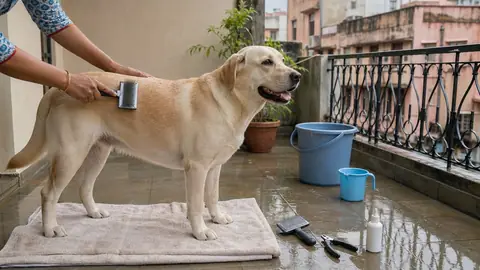 Dog Grooming at Home in India: Bath, Brush, Nails, EarsDogs, all life stagesOne fixed order, brush to teeth, with the bath interval for each coat, the nail schedule, the ear rule for the rains, the evidence on shaving a double…
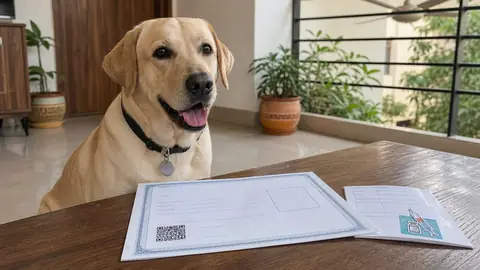 Dog License in India: Fees and Portals City by CityDogs, all life stagesOne table, twelve authorities, every figure read from the portal or the gazette it comes from.
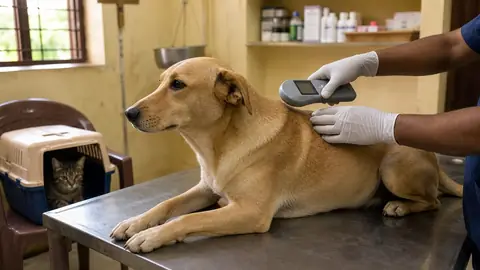 Dog Microchip in India: Rules, Cost, Registry (2026)Dogs and cats, all life stagesWhich Indian instruments actually require a microchip, quoted from the gazette and the AQCS's own forms;
 Dog Separation Anxiety in India: Four Problems, Not OneDogs, all life stagesThe field now splits this into four measured forms, and the largest is not the dog throwing itself at the door.
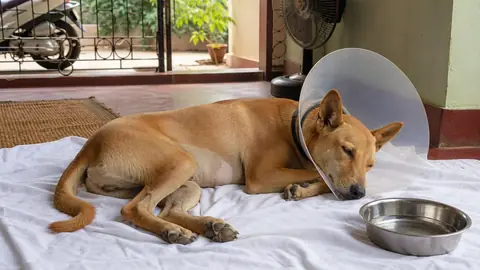 Dog Sterilisation in India: Age, Cost, Recovery and ABCDogs, all life stagesTwo readers, one surgery. The owner deciding when to spay or neuter gets the 2019 AAHA rule and the UC Davis breed numbers with their denominators…
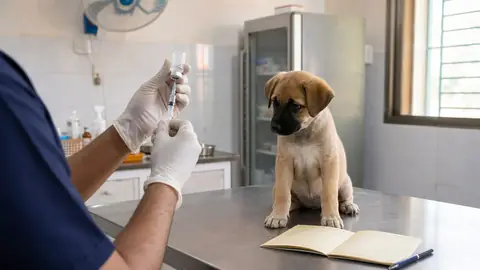 Dog Vaccination Schedule India: Core, Timing and Cost 2026Dogs, all life stagesWhat WSAVA 2024 actually says about puppy timing, what is inside an Indian 7-in-1 and 9-in-1 vial, why the rabies certificate runs the municipal…
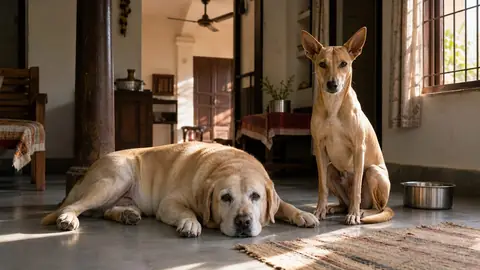 Dog age in human years: formula, AAHA stages, lifespansDogs, all life stagesA 1-year-old dog is 31 in human years by the 2020 methylation formula, 15 on the AAHA chart and 7 by the rule nobody can source.
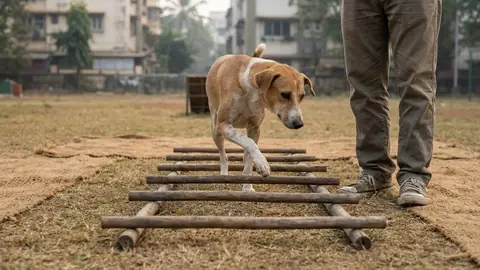 Dog agility training India: how a beginner startsDogs, all life stagesFour Indian pages tell you to buy a jump. The sport's own rulebooks tell you to measure your dog, wait until it is mature and start on flat ground.
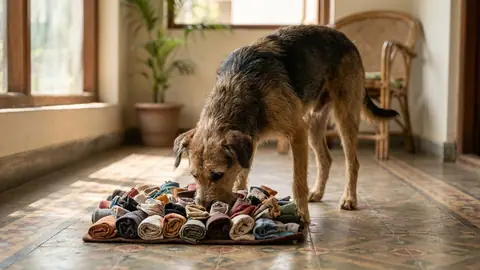 Dog birthday celebration ideas: does the dog enjoy it?Dogs and cats, all life stagesNobody has ever measured whether a dog enjoys its own birthday party.
 Dog body language: what the evidence actually showsDogs, all life stagesOwning a dog does not make you good at reading one. In the study that tested it, the people who had never owned a dog read the dogs more accurately…
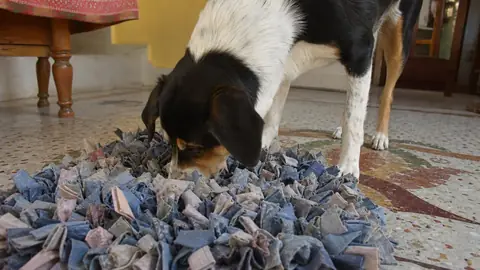 Dog boredom busters: what the evidence actually showsDogs, all life stagesAlmost every page on this query is a numbered list of activities with a product link under each one.
 Dog friendly beaches India: the rules and the sandDogs, all life stagesEvery page ranking for this question names beaches. None of them cites a rule.
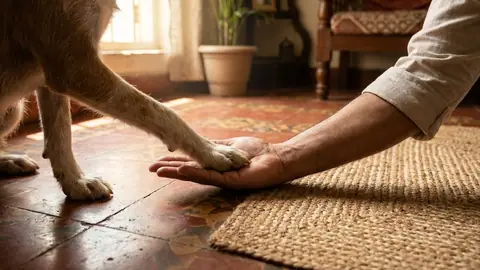 Dog hates being groomed: teaching a dog to be handledDogs, all life stagesEvery page on this query says go slowly and give treats. Three controlled trials have now tested that in dogs, and the one that changed what the…
 Dog motion sickness in car: two problems, not oneDogs, all life stagesFive reputable sources give five different answers to one question: how long before a drive should a dog stop eating.
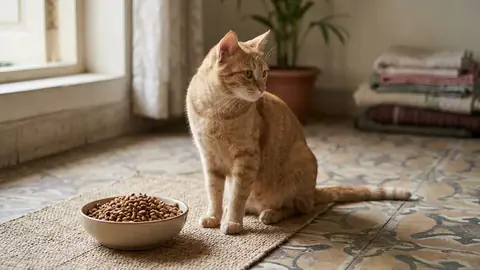 Dog not eating food in India: fussy or ill?Dogs and cats, all life stagesEvery page on the Indian first page for this query is about dogs.
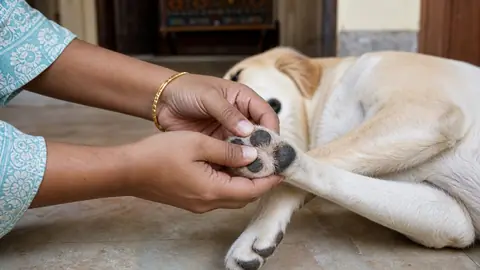 Dog paw care in India: pads, nails and the daily washDogs, all life stagesThree of the four things Indian owners do for their dogs' feet have never been tested on a dog.
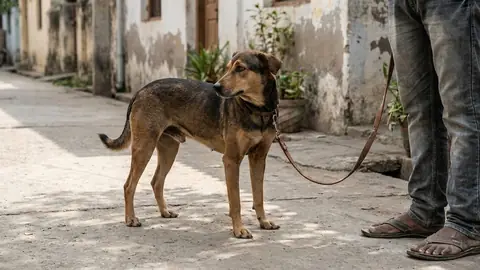 Dog refuses to walk: telling the six causes apartDogs, all life stagesEvery page that ranks for this lists the same five causes and tells you to check the paws.
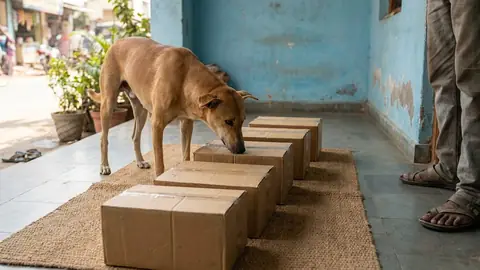 Dog sports India: what exists and how to startDogs, all life stagesThe lists say agility, flyball, dock diving, rally, herding. India's two kennel bodies publish registration forms and almost no sport.
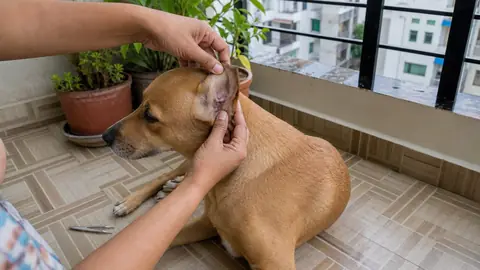 Dog ticks in India: prevention, removal and productsDogs, all life stagesThe tick on an Indian dog is the brown dog tick, a species that completes its life cycle inside a flat.
 Eid pet safety: raw meat, offal and bones at homeDogs and cats, all life stagesSheer khurma carries dates in every bowl and raisins in many, and you cannot tell them apart by looking.
 Emergency vet costs India: building a fund that paysDogs and cats, all life stagesA study of 260 dogs with a twisted stomach found a pre-surgical euthanasia rate of 10 percent in insured dogs and 37 percent in uninsured ones.
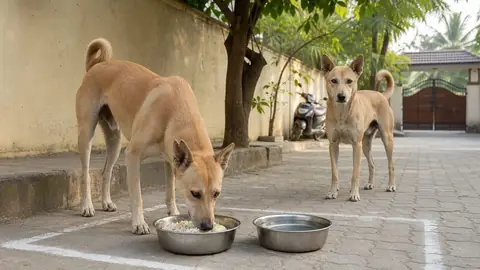 Feeding stray dogs in India: the rules, the court, the foodDogs, all life stagesThe legal detail behind the stray-dog guide: Rule 20 of the ABC Rules 2023 clause by clause, paragraph 33 of the Supreme Court's order of 22 August…
 Foods toxic to dogs: the first hour, for Indian ownersDogs, all life stagesFive published sources give five different hydrogen peroxide doses for the same dog, and the bottle an Indian chemist sells is twice the strength all…
 GCC Pet License Chennai: Fee, Documents, Renewal 2026Dogs and cats, all life stagesA screen-by-screen walk through the Greater Chennai Corporation pet licence, read from the GCC's own veterinary pages and its TNPMS portal on 18…
 Ganesh Chaturthi pet safety: noise, modak and visarjanDogs and cats, all life stagesEvery other festival page tells you to build a quiet room. None of them tells you that the loudest reading of the 2026 Mumbai visarjan came from a…
 Getting a second dog in India: what the evidence saysDogs, all life stagesLoneliness is the commonest reason given and the weakest one.
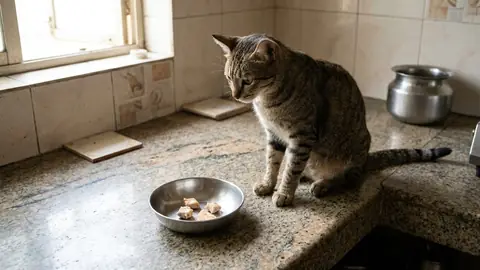 Homemade cat treats in India: 22 kcal is the whole dayCats, all life stagesA treat cannot fix what an Indian cat's bowl is short of, and it can overshoot what the cat has a ceiling for.
 Homemade dog treats in India: weigh what goes inDogs, all life stagesA shop treat tells you its calories. A biscuit out of your own oven does not, and the fix is not guesswork.
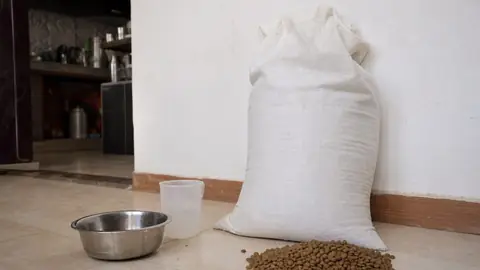 How much does a dog cost in India per month, line by lineDogs, all life stagesTwo full budgets, Rs 1,531 and Rs 14,059 a month, with the arithmetic shown so you can swap in your own dog, your own bag of food and your own clinic.
 How much exercise does a dog need? The honest answerDogs, all life stagesIndia's breeding rules name thirty minutes twice a day, as one listed way a kennel may meet a plan a vet signs off.
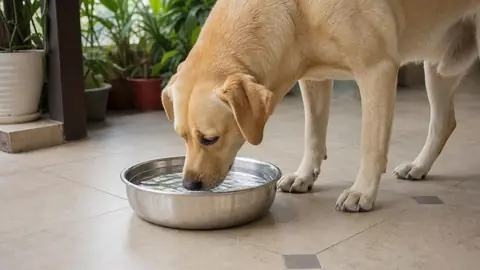 How much water should a dog drink? The measured doseDogs and cats, all life stagesEvery page answers this with one round number. The measured work says the honest answer is a range four times wider, that most of a pet's water…
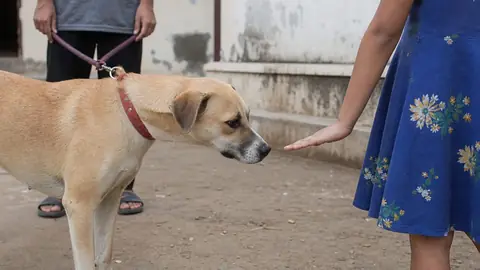 How should a child approach a dog? The consent testDogs, all life stagesEvery page tells a child to ask permission. Almost none teaches the second half of the greeting, which is stopping after a few seconds to find out…
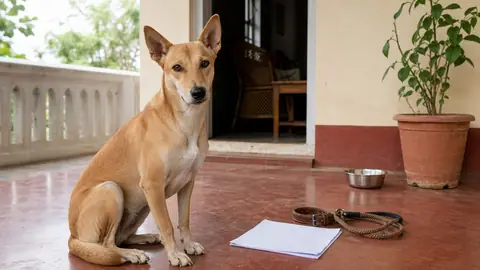 How to Adopt a Dog in India: Protocol, Fees, DocumentsDogs, all life stagesThe Animal Welfare Board of India wrote a seven-page adoption protocol in May 2022 that no ranking page walks through.
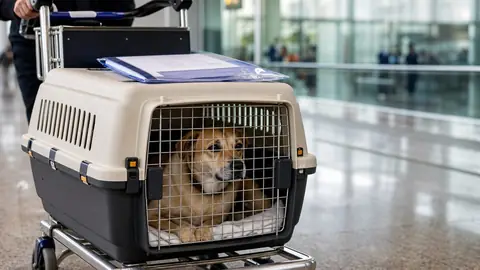 How to Import a Dog to India: DGFT, AQCS NOC, Cost (2026)Dogs and cats, all life stagesEvery instrument read from its own document: the DGFT Trade Notice, the Customs circulars, the DAHD notifications, the AQCS SOP and the 2025 tariff…
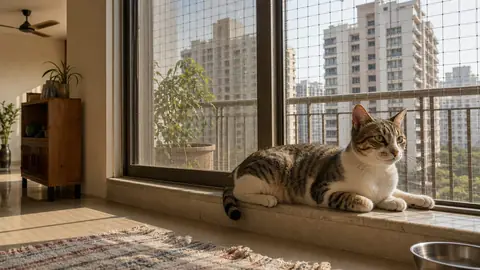 How to adopt a cat in India: shelters, fees, first monthCats, all life stagesSix Indian shelters and rescues read on one day, with the fee each prints, the house check each runs and the documents each asks for;
 How to calm dogs during firecrackers in IndiaDogs, all life stagesOwners spot the trembling and miss the rest. Almost half of dogs show at least one fear sign to noise, yet only a quarter of owners call their dog…
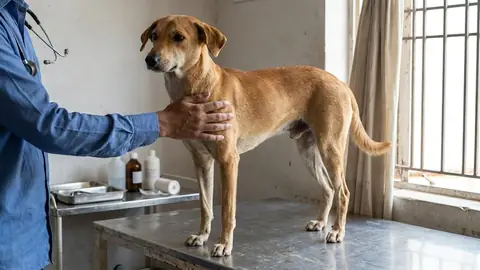 How to choose a vet in India: the checks that matterDogs and cats, all life stagesFour state councils publish a practitioner list you can check and a fifth publishes its defaulters.
 How to find a lost dog or cat in India: the first hourDogs and cats, all life stagesMost advice treats a lost pet as one subject. It is two. A frightened dog runs and must not be called;
 How to foster a dog in India: who pays and how longDogs and cats, all life stagesSix Indian organisations' own foster pages were opened for this guide. Two say who pays. One says how long.
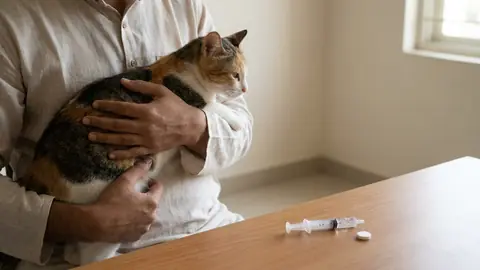 How to give a cat a tablet, and a dog, at homeDogs and cats, all life stagesYour vet has already decided the drug and the dose. This page is about the twenty seconds after that, which is where a course of treatment is actually…
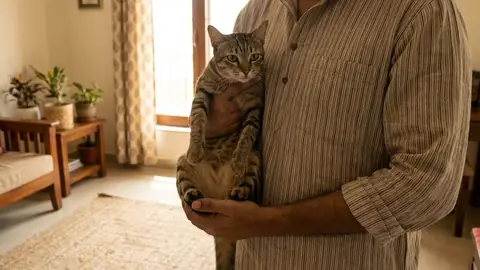 How to hold a cat: the lift, the scruff and the signsCats, all life stagesThree named bodies now advise against scruffing, and the study they all cite is more cautious than any of them.
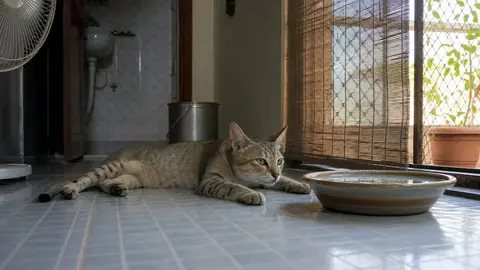 How to keep cat cool in summer in India: heat safetyCats, all life stagesCats overheat in a hot place, not on a walk: every feline case with a known trigger in the only surveillance series was environmental, and one in four…
 How to keep dog cool in summer in India: heat safetyDogs, all life stagesExercise triggers three heat-illness events in four, and one event in seven kills the dog.
 How to keep pets cool without AC in an Indian flatDogs and cats, all life stagesFifty Chennai homes were logged for seven months. Indoor temperature peaked at 8 and 9 pm, after sunset, at nearly 34.7 C, and rarely fell below 31 C…
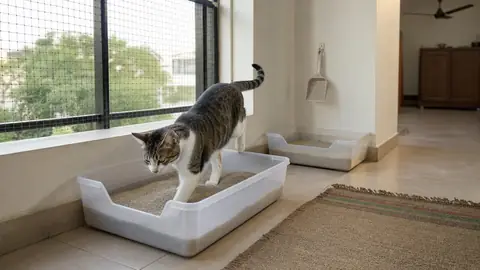 How to litter train a cat in India: box, litter and fixesCats, all life stagesThe litter rules from the AAFP and ISFM guidelines applied to an Indian flat: two boxes per cat at one and a half times the cat's length, 3 cm of…
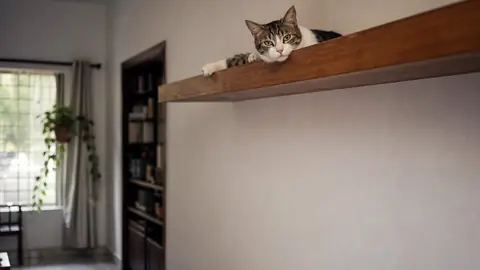 How to make my house cat friendly in an Indian flatCats, all life stagesAlmost every cat-friendly-home page is a shopping list. This one is a map of the space you already have: the 2.75 metres of height above an Indian…
 How to read a pet food label in IndiaDogs and cats, all life stagesA sealed bag of pet food in India has to carry a net quantity, an MRP and a date.
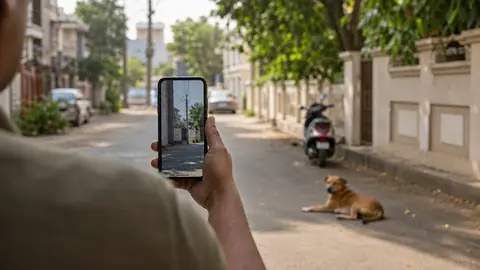 How to report animal cruelty in India, step by stepDogs and cats, all life stagesAlmost every Indian page on this subject still tells you to cite two sections of the Indian Penal Code that were repealed in July 2024.
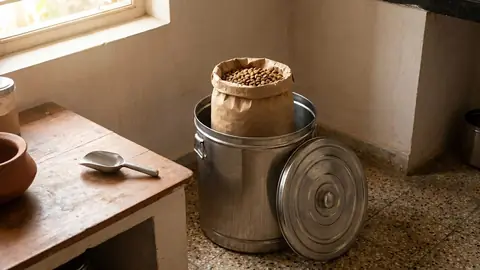 How to store dog food in Indian humidityDogs and cats, all life stagesEvery ranking page tells you to buy an airtight container. The FDA tells you not to empty the bag into it, and the reason is a number printed on the…
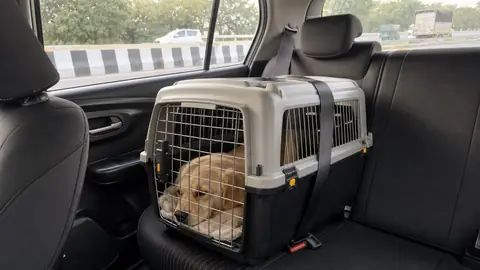 How to travel with a dog in a car: the crash dataDogs, all life stagesAlmost nothing sold to restrain a dog in a car has been crash tested to any standard, and the one independent laboratory that has tested these…
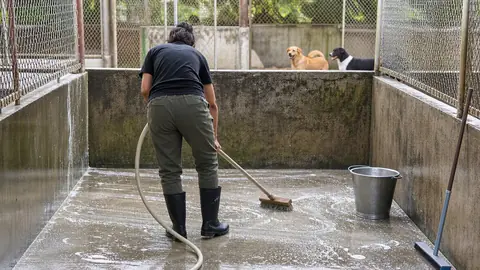 How to volunteer at an animal shelter in IndiaDogs and cats, all life stagesNine of the nine areas Blue Cross of India lists for volunteers ask for disinfection. One asks for dog walking.
 IATA approved dog crate India: what the phrase meansDogs and cats, all life stagesEight of the nine results on page one of Google India for this phrase are selling a crate on it.
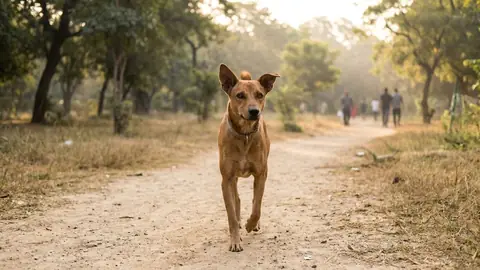 Indian dog names: how to choose one that actually worksDogs, all life stagesEvery page ranking for this query hands you a list. None of them tells you that your dog's name is an attention signal rather than a cue, that the…
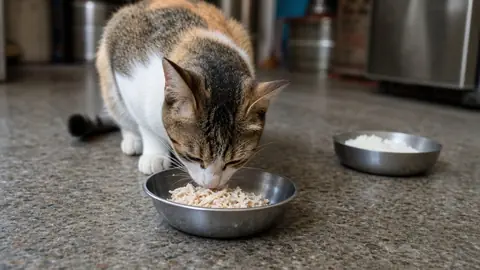 Indian food safe for cats: the short list, with numbersCats, all life stagesThe dog answer does not transfer. A dog can live on an Indian household bowl and a cat cannot, because a cat cannot make taurine, cannot make enough…
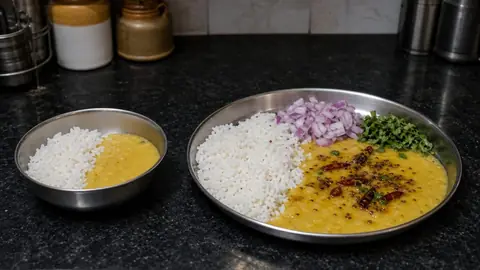 Indian food safe for dogs: how to sort any plateDogs, all life stagesEvery page on this subject publishes the same toxic-food list, and that list does not contain rice, dal, curd, paneer, achaar, papad or the pakora.
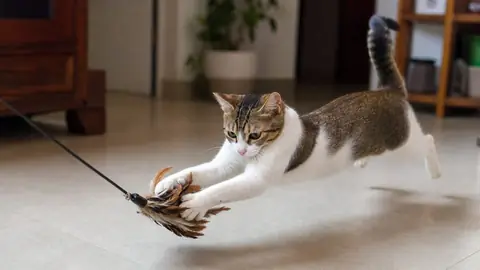 Indoor cat boredom: the evidence and what to do in IndiaCats, all life stagesAlmost every page on this query is a list of twelve ideas with no source and a product link at the bottom.
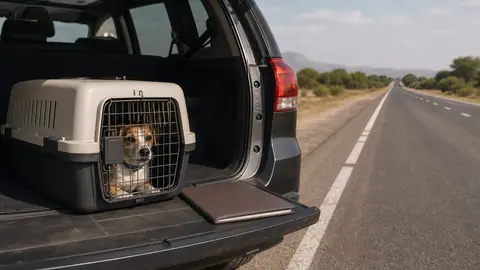 Interstate Pet Travel Rules India: Papers, Not PermitsDogs and cats, all life stagesThree instruments govern moving a dog or cat across an Indian state line, and only one of them is switched on today.
 Introducing Dog to New Baby: A Dated Plan for IndiaDogs, all life stagesEvery page on this query is a list of tips. This one is a calendar, the four surveys that measured what actually changes for the dog, the bite…
 Introducing a cat to a dog: the evidence and the stepsDogs and cats, all life stagesEvery page on this query gives you the same four steps and not one number.
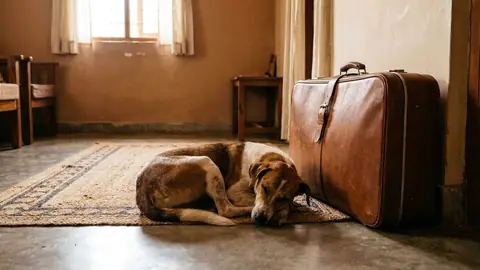 Introducing dog to new partner: the first six weeksDogs and cats, all life stagesEvery page on this subject treats it as a meeting. It is not a meeting.
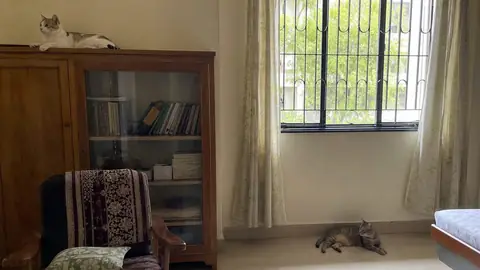 Introducing two cats: what the evidence supportsCats, all life stagesThree major authorities contradict each other on whether to use food during a cat introduction.
 Is Holi colour safe for dogs? What the tests foundDogs and cats, all life stagesNo Holi colour has ever been tested for safety on an animal. What has been tested is the powder itself, and in 200 samples bought around Kolkata every…
 Is It Cruel to Leave a Dog Alone All Day in India?Dogs, all life stagesFour hours is guidance, not law. The only hard limit anybody can compute is the bladder, and the only thing that predicted new distress in a 1,807-dog…
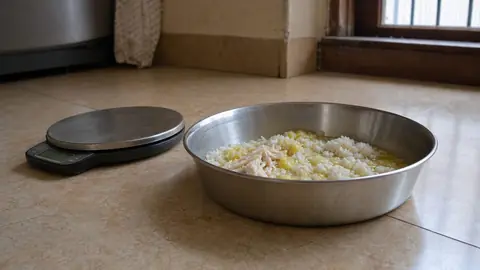 Is homemade dog food balanced? How you would knowDogs and cats, all life stagesAn eight-year-old dog whose jaw could be crushed with finger pressure had a blood calcium inside the reference range.
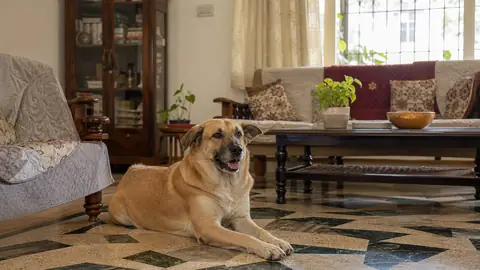 Is it auspicious to keep a dog at home? What India saysDogs, all life stagesThe Mahabharata ends with a king refusing heaven rather than abandon his dog.
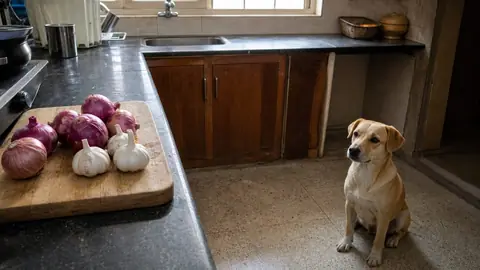 Is onion bad for dogs and cats? The dose, in gramsDogs and cats, all life stagesWestern pages treat onion as an accident a dog has once. In an Indian kitchen it is the base of almost every savoury dish, so the exposure is daily…
 KCI Registration Explained: Fees, Forms, What It ProvesDogs, all life stagesEvery figure on this page is read from the Kennel Club of India's own forms and tariff sheet, the 2017 Dog Breeding and Marketing Rules in the…
 Keeping a Dog in a Flat in India: Floors, Stairs, HeatDogs, all life stagesFloor area is the smallest number in this question. A slippery floor carried 1.6 times the odds of clinical hip dysplasia in 1,733 Boxers, and the…
 Looking after someone else's dog or cat in IndiaDogs and cats, all life stagesEvery page on this subject is written for the person going away.
 Manja injuries to animals in India, law and first aidDogs and cats, all life stagesThe national ban covers nylon manja and not glass-coated cotton thread, and a Bengaluru survey found only a third of people knew any ban existed.
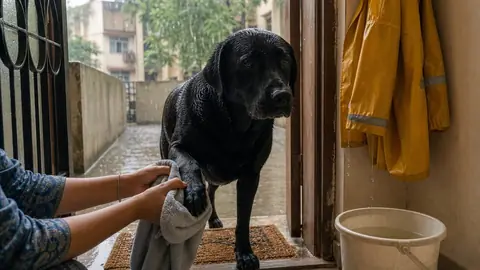 Monsoon Care for Dogs in India: Lepto, Ticks, Ears, PawsDogs, all life stagesThe IMD onset date for your city, the Indian leptospirosis studies and what the vaccine vial covers, the rainy-season skin, ear and tick series with…
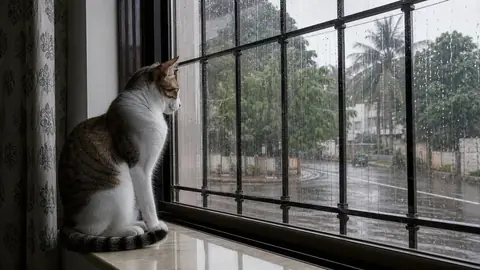 Monsoon care for cats in India: damp, ears, litter, foodCats, all life stagesThe rain is the dog's problem. The humidity is the cat's. Four months of 90 percent air, the yeast Indian cats already carry in their ears, the…
 Moving house with a pet in India: dogs vs catsDogs and cats, all life stagesAlmost every Indian moving guide gives one list for both species. The research does not support that. A dog loses a building;
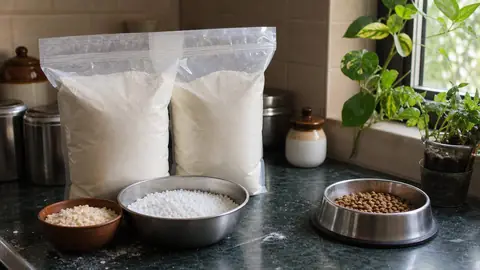 Navratri pet safety: the fasting kitchen and nine nightsDogs and cats, all life stagesEvery festival page tells you to build a quiet room for one bad evening.
 Pet Insurance India: Cover, Exclusions, Costs, ClaimsDogs and cats, all life stagesFive general insurers sell a pet policy in India in 2026. This guide reads their policy wordings, prospectuses and product pages clause by clause, so…
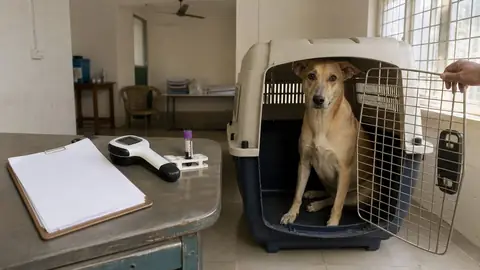 Pet Passport India: AQCS Export NOC, Titre, Airline StepsDogs and cats, all life stagesEvery rule read from the authority that wrote it: the AQCS pages and the DAHD charge order at the Indian end, and GOV.UK, the European Commission, the…
 Pet allergy in children in India: test before you rehomeDogs and cats, all life stagesSomebody coughs, somebody wheezes, and a relative says the pet must go.
 Pet care after owner death in India: the law and planDogs and cats, all life stagesAlmost every page ranking for this question is American, British or Australian, and the one Indian page that ranks does not mention the section of the…
 Pet evacuation plan for floods in IndiaDogs and cats, all life stagesUrban flooding is an annual certainty in Indian cities and almost nobody has written the plan for an animal.
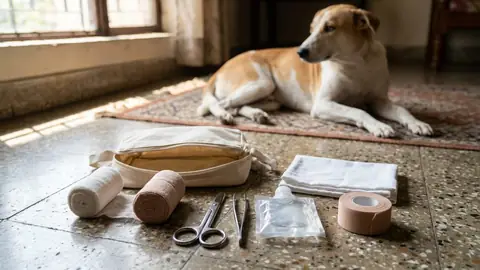 Pet first aid at home: the twenty minutes before a vetDogs and cats, all life stagesEvery borrowed first aid page assumes an ambulance or a clinic down the road.
 Pet photography tips: the animal, not the cameraDogs and cats, all life stagesEvery page on this query opens with settings. The animal is being asked to hold still, look into a lens and tolerate an arm over its head, and in the…
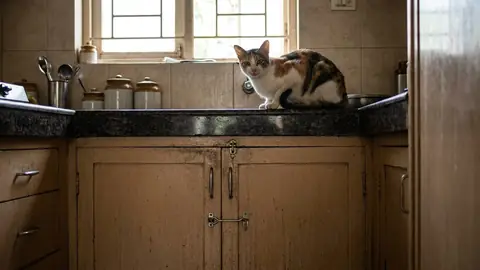 Pet proofing your home: an Indian room-by-room sweepDogs and cats, all life stagesEvery pet proofing checklist on page one was written for a house in Ohio or Surrey.
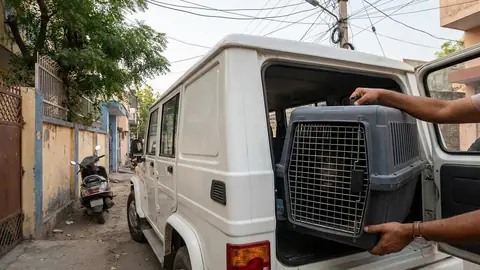 Pet relocation services India: what the law requiresDogs and cats, all life stagesEvery page ranking for this query is written by somebody selling the service.
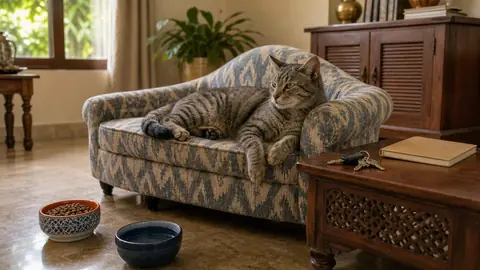 Pet sitter vs boarding in India: what the evidence saysDogs and cats, all life stagesEvery comparison of these two options ends with 'it depends on your pet'.
 Pets and house help in India: the daily arrivalDogs and cats, all life stagesMost Indian pages on this subject treat the person who cleans your home as an obstacle to manage.
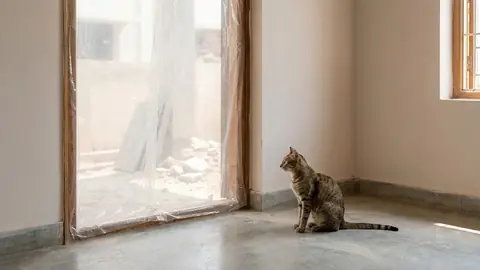 Pets and house renovation: paint, noise, dust, debrisDogs and cats, all life stagesYour flat has become a worksite with six strangers in it. That is a time-limited, measurable set of exposures, and almost none of the advice written…
 Pets during wedding at home: the four-day planDogs and cats, all life stagesEvery other festival plan on this site assumes you are free to run it.
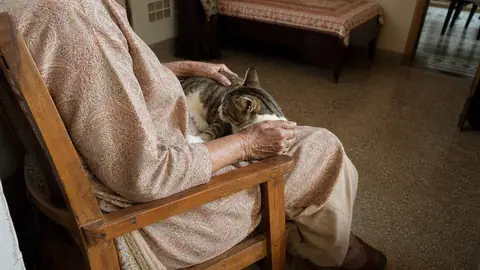 Pets for senior citizens in India: the real trade-offsDogs and cats, all life stagesPooled across 21 studies and 159,322 people, pet ownership moved depression risk by nothing at all.
 Pets in Delhi Metro: what every Indian metro publishesDogs and cats, all life stagesTwelve networks, one statutory rule, no permission anywhere. The ban is not a station manager's preference, it is rule 4(3) of a central rule made in…
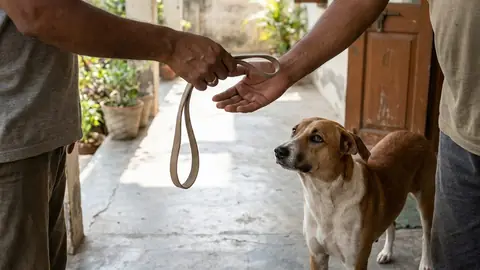 Rehoming a dog in India: the law and the safe routeDogs and cats, all life stagesMost pages on this query either moralise or sell a shelter. This one establishes what the statute reaches, what the published relinquishment data…
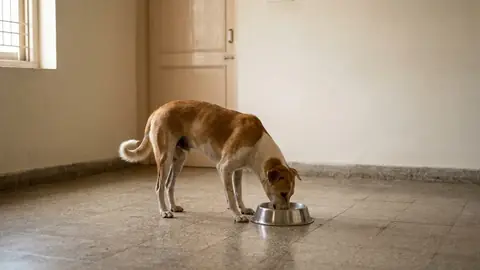 Resource guarding in dogs: what the evidence showsDogs, all life stagesTwo pieces of advice are given to almost every Indian dog owner: take the bowl away while he eats, and put your hand in his food.
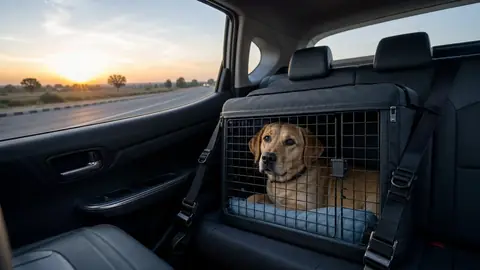 Road trip with a dog in India: stops, heat and vetsDogs, all life stagesMost Indian road-trip advice gives you a stop interval with no source behind it.
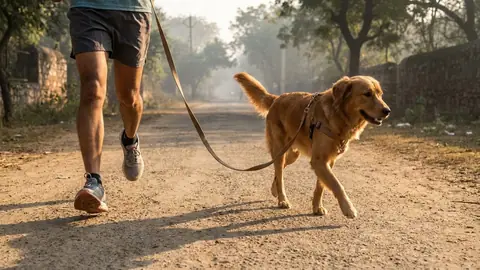 Running with your dog in India: what changes at paceDogs, all life stagesA walk is a speed your dog chooses. A run is a speed you choose for it.
 Sankranti pet safety: bonfires, cattle and tilDogs and cats, all life stagesEveryone writes about kite string. Nobody writes about the dawn bonfire that quadrupled Chennai's measured PM2.5, the bull that arrives at your gate…
 Society Complaint About Pet: What Happens Next in IndiaDogs and cats, all life stagesTwo live pages already set out what an association can and cannot do.
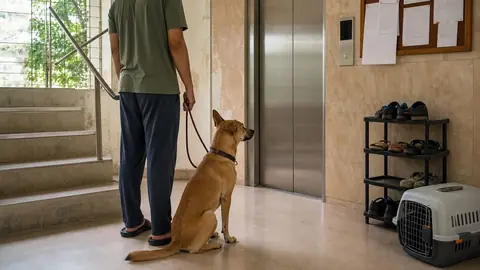 Society Rules for Pets in India: What RWAs Can and Cannot DoDogs and cats, all life stagesThe AWBI's 2015 guideline, the Mumbai, Bengaluru and Karnataka orders that restate it, Chandigarh's bye-laws that go the other way, the one High Court…
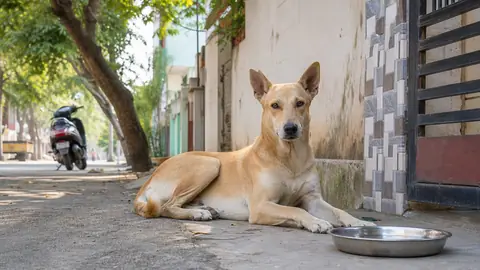 Stray dogs in India: the numbers, the law, what to doDogs, all life stagesOne page for the resident, not the campaigner: the count and why every other figure differs, what the Animal Birth Control Rules 2023 and the Supreme…
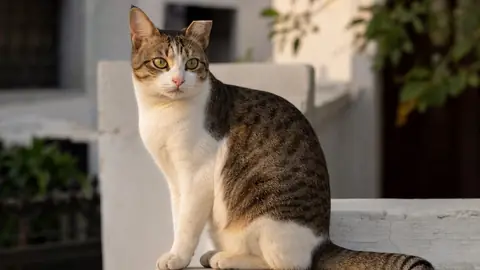 Street cats in India: the count, the law, the gapsCats, all life stagesIndia runs a national animal census that has no cat in it, and a birth-control law whose twenty-two rules name cats once.
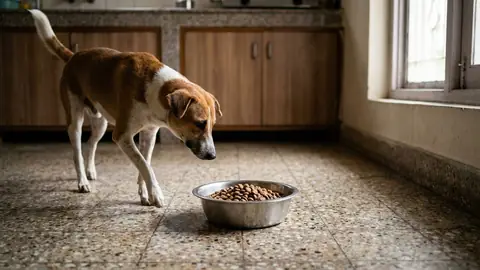 Supplements for dogs in India: what the evidence saysDogs and cats, all life stagesHalf of all dogs in the largest cohort ever surveyed get a supplement.
 Swimming with dogs India: water, breeds and poolsDogs, all life stagesIndia publishes a bathing-water standard and measures rivers against it. In 2022 and 2023, 804 of 2,116 river monitoring locations failed it.
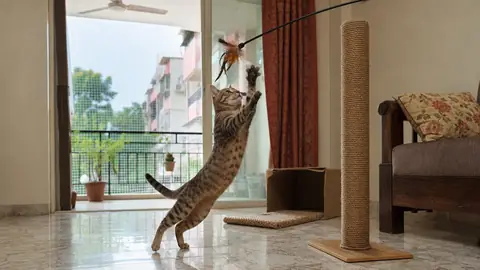 Things to do with your cat in India: play by life stageCats, all life stagesKitten, adult and senior activity tables built on the AAFP and ISFM five pillars, the studies with denominators on play, scratching, laser pointers…
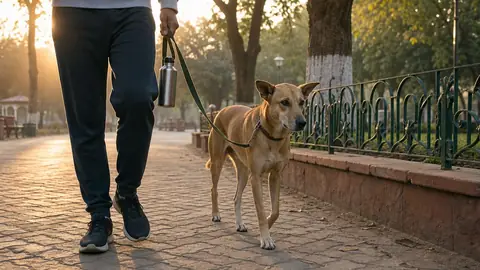 Things to do with your dog in India, by life stageDogs, all life stagesThree activity tables, one per life stage, each row carrying what the activity does for the dog and the source that says so, the Indian constraint on…
 Traditional Indian pet names: the documented historyDogs and cats, all life stagesEvery page ranking for this query is a list of names. None of them opens a text.
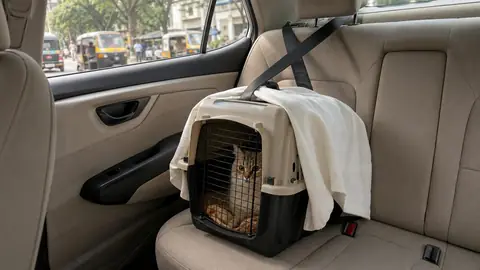 Travelling with cat in car India: the carrier methodCats, all life stagesCarrier training is the only measure here with a controlled trial behind it, and even the trained cats averaged a stress score of very tense.
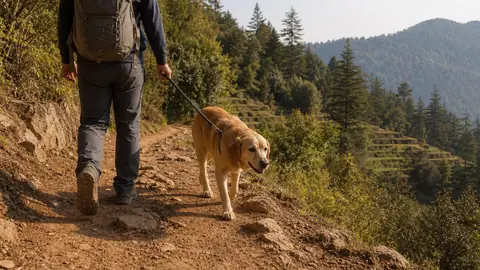 Trekking with dog India: the law and the altitudeDogs, all life stagesThe Wild Life (Protection) Act 1972 bars livestock from a national park and never once names the dog.
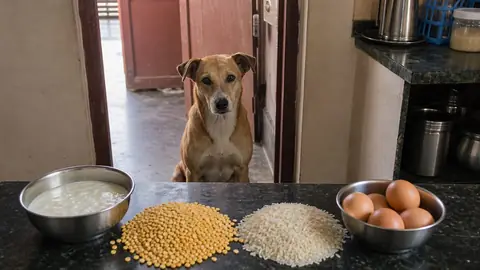 Vegetarian dog food India: what the evidence saysDogs, all life stagesDogs are facultative carnivores and cats are not, which is why one of these questions has an answer and the other has a line.
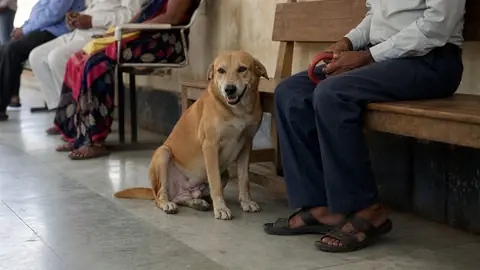 Vet consultation fee India: what a visit really costsDogs and cats, all life stagesSix kinds of veterinary practice operate in India and their published fees differ by a factor of seventy.
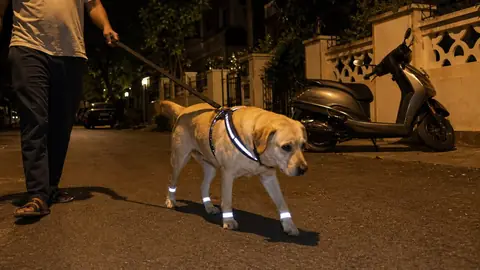 Walking dog at night safety in India, by the dataDogs, all life stagesIndia's 18:00 to 21:00 block carries 20.8 percent of all road accidents, the largest of the eight.
 What fruits can dogs eat? The Indian fruit bowl, ratedDogs, all life stagesEvery page that ranks for this query sorts apples, bananas and blueberries.
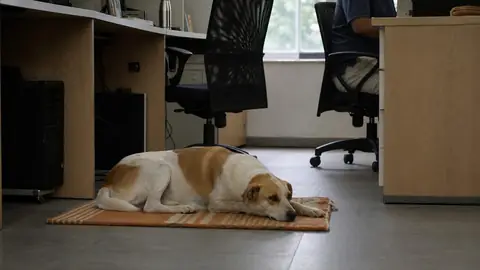 Which company allows pets at work? The Indian answerDogs and cats, all life stagesMost Indian lists of pet-friendly offices recycle four company names from a single 2016 newspaper article, with no date and no source.
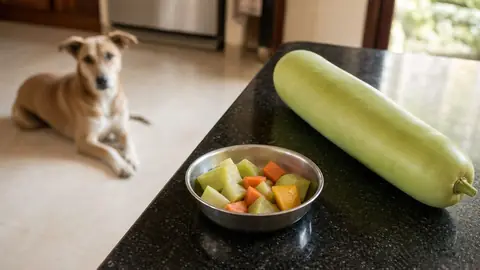 Which vegetables are good for dogs? The Indian sabzi listDogs, all life stagesEvery page ranking for this query sorts broccoli, green beans, celery and kale.
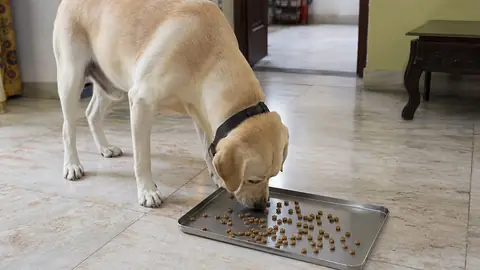 Why does my dog eat so fast? What slowing it down doesDogs and cats, all life stagesOne study put a stopwatch on 56 dogs and found a third of them never chewed a mouthful twice.
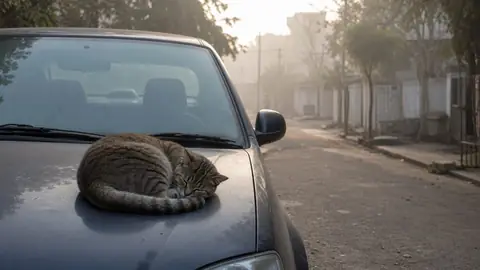 Winter care for cats in India: heat, burns, bonnetsCats, all life stagesEvery Indian winter page for cats tells you to buy a warm bed.
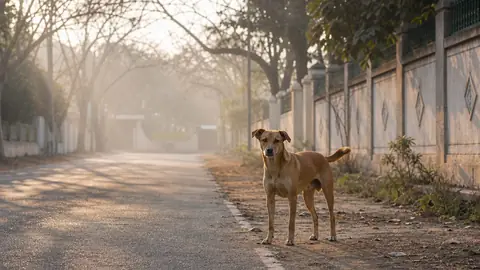 Winter care for dogs in India: cold, heaters, straysDogs, all life stagesEvery Indian winter page tells you to buy a sweater. None of them tells you that 44 of 56 fatal carbon monoxide poisonings autopsied at AIIMS Delhi…
 Working From Home With a Dog: The Day, and Going BackDogs, all life stagesBeing at home all day is not the same as giving a dog a better day.
 Xylitol poisoning in dogs: the dose, and Indian labelsDogs, all life stagesA dog that has eaten xylitol can look completely normal for hours.
The Indian pet care year
Care in India is seasonal in a way most imported advice ignores. Three periods drive most of the practical decisions.
- March to June, the heat. Walks move to before sunrise and after dark, exercise gets cut rather than rescheduled on the worst days, and water and shade stop being background details. Exertion, not ambient temperature alone, triggers most heat illness, so a cool-looking evening is not permission to work a dog hard.
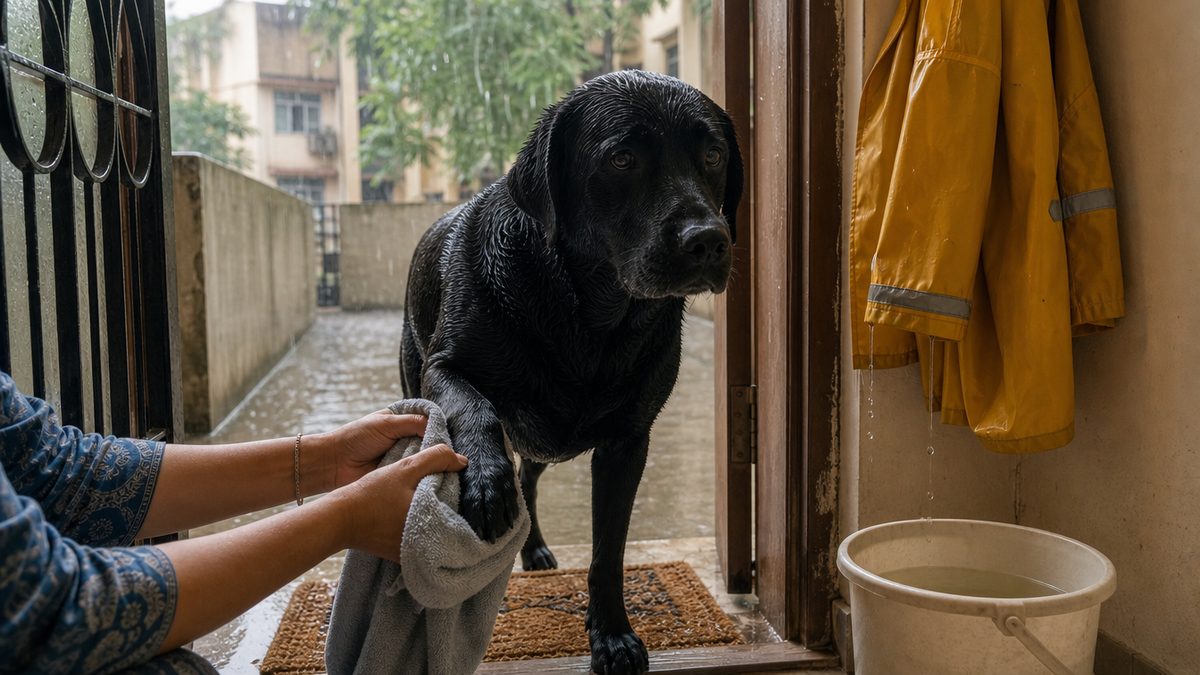
- June to September, the monsoon. Sustained damp is what drives hot spots, ear infections and fungal skin disease. A dense double coat that never fully dries is the common factor, and drying properly after every soaking does more than any shampoo.
- October to February, the useful window. Cooler months are when training, conditioning and any serious exercise programme actually belong, and when a heat-sensitive breed can be worked at all.
A double coat insulates against heat as well as cold, and shaving it removes that protection while exposing skin to sun. The advice appears constantly in Indian pet groups and it is wrong. Manage the coat by brushing out the dead undercoat instead, and ask your nearby vet if the skin itself looks bad.
Care information already published
Every breed guide carries care sections written for Indian conditions, which is where most care questions start.
Common questions
When should a dog be walked in an Indian summer?
Before sunrise and after dark, when road surfaces have cooled. Test the surface with the back of your hand for several seconds before setting out, because paw pads burn on tarmac that feels merely warm to a shoe. On the worst days cut the walk rather than move it, and never work a dog hard in the afternoon.
Should a double-coated dog be shaved in India?
No. A double coat insulates against heat as well as cold, and shaving it removes that protection while exposing the skin to sun. Brush out the dead undercoat instead. If the skin or coat looks genuinely bad, consult your nearby vet rather than reaching for clippers.
What changes about pet care during the monsoon?
Sustained humidity is what drives hot spots, ear infections and fungal skin disease, so drying an animal properly after every soaking matters more than any product. Dense double coats that stay damp near the skin are the highest risk, and ears need checking rather than assuming.