
Coat
Long-haired cat breeds
Heavy coats in a hot country, and the DNA tests that differ between breeds people assume are interchangeable.
Quick answer
Long-haired cat breeds carry real grooming and heat costs in India, and the health tests they need are breed-specific rather than shared. The HCM mutations validated in the Maine Coon and Ragdoll do not apply to other breeds, and a certificate naming the wrong gene tells a buyer nothing. Every page here states which test actually applies.
The breeds
A heavy coat in a hot country is a real cost. So is a health certificate that names the wrong gene, which in this group is common.
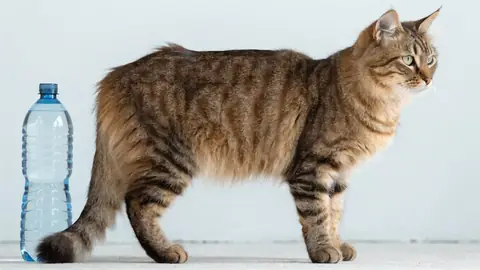 Aphrodite's GiantA Cypriot mountain landrace with two published WCF standards, a contested TICA status, and no lawful route into India.
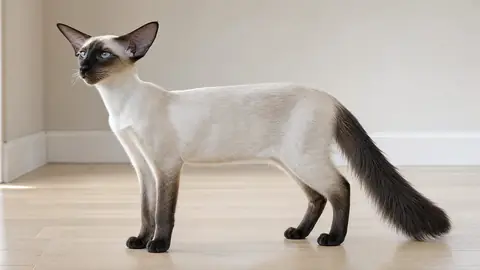 BalineseWhat a Balinese actually costs in India, why two of the top-ranking price pages are now Indonesian gambling sites, why the long...
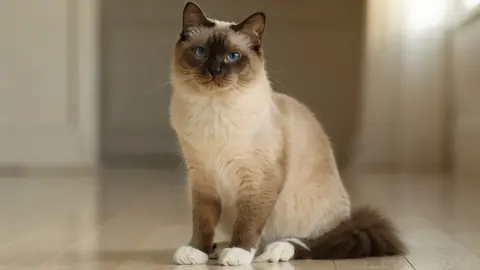 BirmanWhat a Birman actually costs in India, why the published prices disagree by twenty times, the 90-second check that separates a...
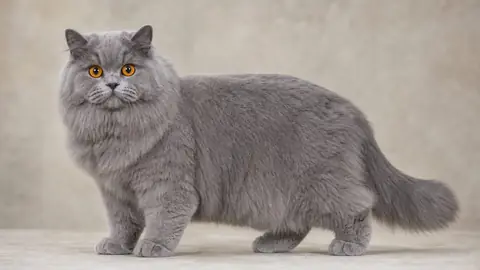 British LonghairOne cat, five registries, and no agreement on whether it is a breed. What that means for an Indian buyer, and what the price...
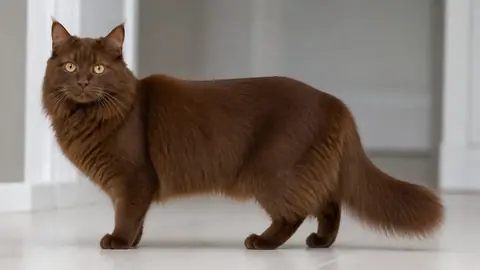 Chantilly-TiffanyA North American semi-longhair that began twice, was renamed in 1992 to stop a clash with a British breed, and ran out of...
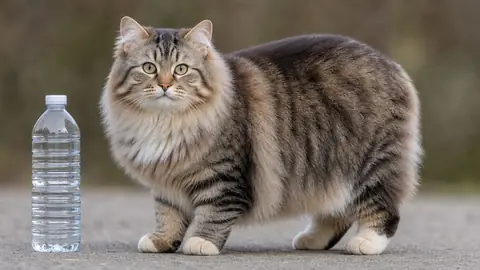 CymricOne tailless gene, four tail lengths, five registries that cannot agree whether this is a breed, and a welfare question the...
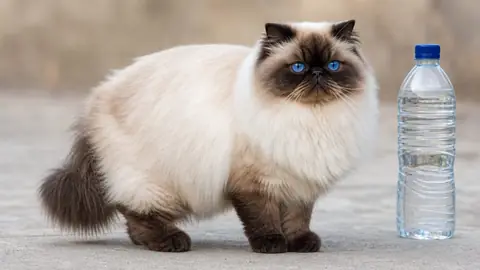 HimalayanThe Himalayan is a pointed Persian, and whether that makes it a breed has no single answer. Six registers were opened for this...
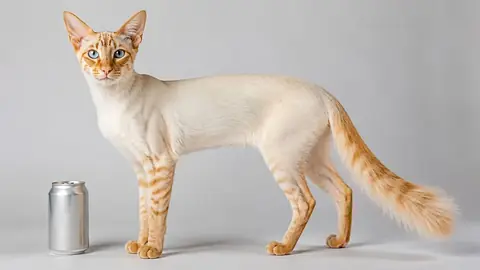 JavaneseThe name survives in exactly one registry, where it labels a colour class inside another breed's standard. Everywhere else it has...
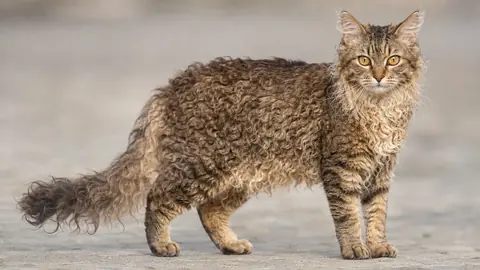 LaPermA dominant curl from an Oregon farm colony, recognised by five registries and mapped by nobody.
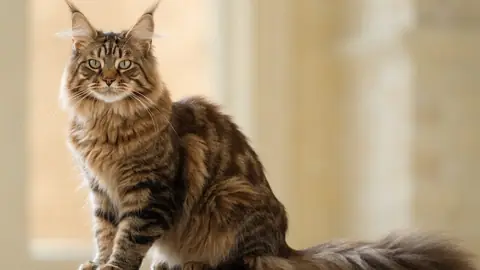 Maine CoonWhat a Maine Coon actually costs in India, why published prices disagree by more than Rs 5,75,000, and why the size premium...
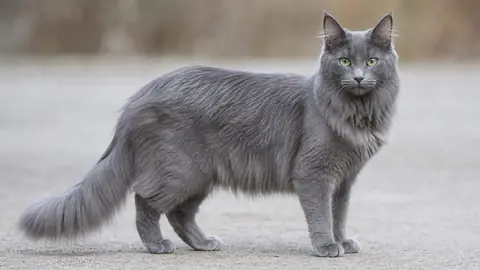 NebelungA rare blue longhair with no Indian market, no FIFe code and no CFA breed council. What the numbers actually show, and what a...
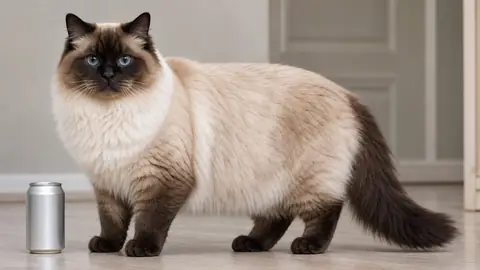 Neva MasqueradeThe colourpoint Siberian, coded as a breed by exactly one registry of six, described inside the Siberian's own standard even...
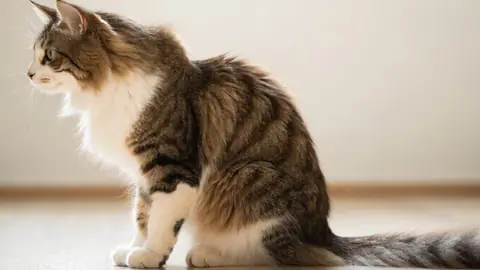 Norwegian Forest CatThe published Indian price, the profile test that separates it from a Maine Coon, and the two DNA tests worth more than the...
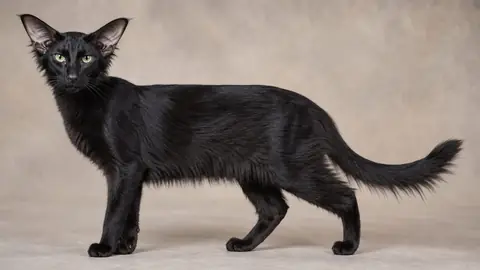 Oriental LonghairA svelte green-eyed longhaired cat that five registries file five different ways, was called the British Angora until 2002, and...
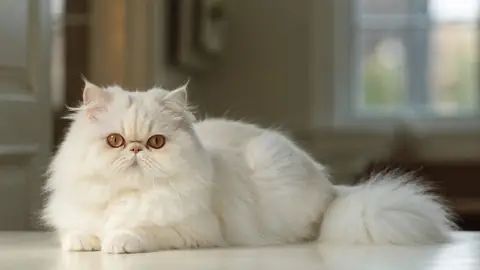 Persian CatWhat a Persian cat actually costs in India, why published prices disagree by more than Rs 2,90,000, and why a flat face plus a...
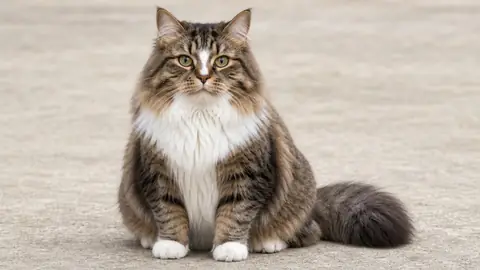 RagamuffinA large, sweet-tempered longhaired cat split from the Ragdoll in 1994, recognised by three registries under that name, and...
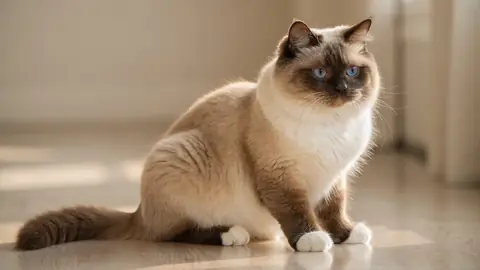 RagdollWhat a Ragdoll actually costs in India, why published prices disagree by twenty times, the life expectancy figure no Indian...
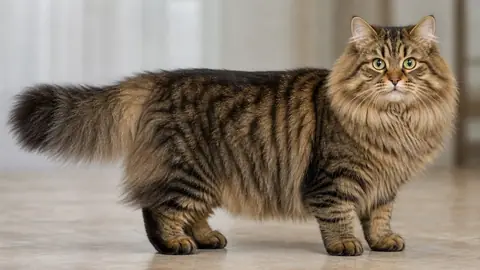 SiberianA heavy triple-coated Russian forest cat sold in India to allergy sufferers, on evidence that comes to four fur samples from 1999...
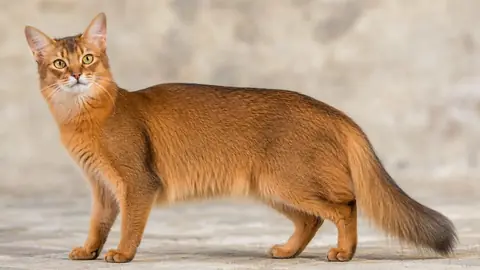 SomaliThe longhaired Abyssinian, fixed for one coat allele, carrying two inherited diseases with real numbers and real tests, and...
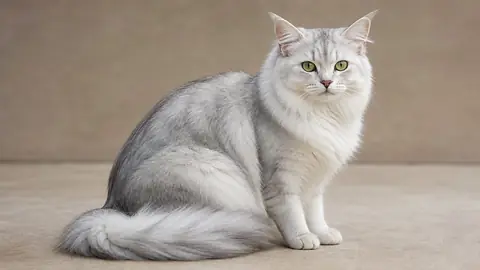 TiffanieThe semi-longhaired variety of the British Asian cat, held at GCCF championship since 2003, down to 20 registrations a year, and...
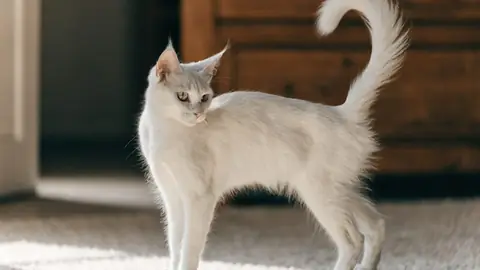 Turkish AngoraWhat a Turkish Angora cat costs in India, why the published prices disagree by a factor of thirty, how the written breed standard...
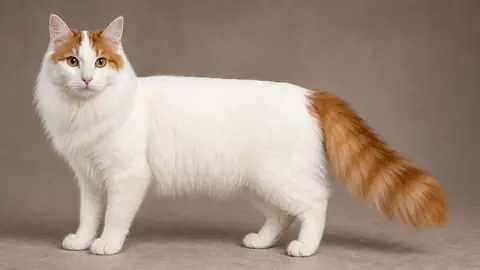 Turkish VanA semi-longhaired highland cat from the Lake Van basin, held by six registries, studied by a Turkish state university, and...
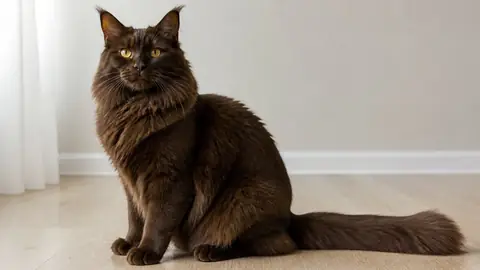 York ChocolateAn American farm cat with a chocolate coat that four registries still carry on paper, that the French national studbook...
Compare the breeds side by side
To compare these 23 breeds directly, read across the table rather than down the guides. Heat tolerance is a Bonbeno rating out of 5 for Indian conditions, and the reasoning behind each one sits on the breed's own page.
| Breed | Heat tolerance | Published price, India |
|---|---|---|
| Aphrodite's Giant | 2 of 5 | See page |
| Balinese | 4 of 5 | 2 |
| Birman | 4 of 5 | Rs 15,000 to Rs 60,000 |
| British Longhair | 2 of 5 | Rs 15,000 at the lowest quoted floor and Rs 1,30,000 or more at the highest quoted ceiling, from two sellers ranking on the same page |
| Chantilly-Tiffany | 4 of 5 | 0 of 206,421 characters |
| Cymric | 2 of 5 | Rs 50 |
| Himalayan | 1 of 5 | Rs 10,000 to Rs 1,20,000 across four sources |
| Javanese | 4 of 5 | No verifiable figure. One Indian page prints Rs 30,000 to Rs 60,000 on its card and Rs 20,000 to Rs 50,000 in its own text |
| LaPerm | 3 of 5 | None. The top Indian result sells handmade goods |
| Maine Coon | 1 of 5 | Rs 25,000 to Rs 6,00,000+ |
| Nebelung | 2 of 5 | Zero, on a page titled All Breeds that mentions the Persian 22 times |
| Neva Masquerade | 1 of 5 | About Rs 35,000 to Rs 1,30,000, derived from the Siberian's Indian city bands plus the published colourpoint premium |
| Norwegian Forest Cat | 1 of 5 | Rs 40,000 to Rs 70,000, identical across four sources |
| Oriental Longhair | 4 of 5 | None sourced. India's leading guide mentions neither the Oriental Longhair, the Oriental Shorthair nor the Balinese |
| Persian Cat | 1 of 5 | Rs 8,000 to Rs 3,00,000 |
| Ragamuffin | 2 of 5 | Rs 35,000 to Rs 1,20,000 on one Indian page whose own city table does not contain that band |
| Ragdoll | 2 of 5 | Rs 15,000 to Rs 3,00,000+ |
| Siberian | 1 of 5 | Rs 40,000 to Rs 1,00,000 on the page holding position 1 for cat price in india |
| Somali | 3 of 5 | None found. The overseas range is 1,000 to 3,000 US dollars, with one guide averaging about 1,800 and another giving 1,000 to 1,500 |
| Tiffanie | 4 of 5 | 0 of 206,421 characters |
| Turkish Angora | 3 of 5 | Rs 5,000 to Rs 1,50,000 |
| Turkish Van | 3 of 5 | Rs 15,000 to Rs 30,000 from one Indian content site; the leading Indian guide does not list the breed |
| York Chocolate | 3 of 5 | 2, both showing a black cat |
What matters in this group
The points below are what the evidence on these 23 guides actually supports, not what the category is assumed to mean.
- The mutation-transfer error is the most useful thing on this page. The A31P and R820W MYBPC3 variants are validated in the Maine Coon and Ragdoll and are described in the specialist consensus as almost completely specific to them. Testing another breed for those variants, or accepting a certificate that names them, is not screening.
- The Maine Coon and Norwegian Forest Cat are separated by their registries in mutually exclusive terms. One standard requires a straight nose profile from brow to tip; the other states that exactly such a profile is not acceptable. The disqualification lists then invert. That is a test a buyer can run in a seller's front room.
- Grooming load is the cost that ends most of these ownerships. A coat that mats in Indian humidity needs daily work or a professional schedule, and the monthly figure is usually missing from every price published.
Membership is generated from the breed data itself, not typed by hand, so this list cannot drift from the guides it points at and fills in as more publish. The 23 guides here cite 744 sources between them.
This page is a directory of published Bonbeno guides, generated from their data rather than written as clinical guidance, so no veterinarian reviewed this page itself. Each linked guide carries its own veterinary review and its own health sections. Breed level evidence describes populations, and your animal is an individual, so consult your nearby vet before acting on anything you read here.
Common questions
How does Bonbeno decide which breeds belong on this page?
Membership is generated from each breed's own published data rather than chosen by an editor. The group is defined by a shared trait rather than a rating, so its members are named in the site's own cluster definition and each one is checked against the published guide before it appears. A breed appears here the moment its guide publishes and meets that rule, and never before, which is why no link on this page can point at a guide that does not exist.
What is a Bonbeno heat tolerance rating?
It is a 1 to 5 rating of how well a breed copes with Indian conditions, where 5 is best. Almost no international breed reference publishes one, and in a country where summer temperatures pass 45 C it is the most decision-relevant trait there is. It is Bonbeno's own judgement, built from published heat-illness evidence where that exists and stated as inference where it does not.
Are the prices on this page current?
Each price is read from that breed's own guide, where it is compared across published Indian sources and cited. Published Indian breed prices disagree widely between sellers, sometimes by more than a lakh for the same breed, so treat the figure here as the lowest band Bonbeno found and read the guide for the full range.
Does Bonbeno sell or broker any of these cats?
No. Bonbeno does not sell pet food, products or animals and does not broker puppy or kitten sales. Nothing on this page is a listing, and no breeder or seller can pay to appear on it.