
Group
Terrier breeds
Small does not mean easy. The terrier group is the most consistently underestimated on the site.
Quick answer
Terriers were bred to work independently against quarry underground or at close quarters, which produced high prey drive, high noise and a temperament that does not defer easily. In India the small ones are sold as low-effort apartment pets, which is the single most common mismatch in the group. Size predicts space needs; it does not predict training load.
The breeds
Terriers were bred to work alone against quarry. Everything difficult about owning one follows from that, and none of it is fixed by the dog being small.
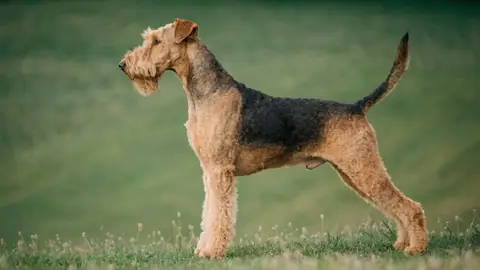 Airedale TerrierWhat an Airedale Terrier actually costs in India, why every published running cost on page one is a converted dollar figure, and...
 American Hairless TerrierWhat an American Hairless Terrier would cost in India if one existed, why the recessive SGK3 mutation makes this the only...
 American Pit Bull TerrierWhat a pitbull actually costs in India, which of the four breeds you are being sold, what the law says after three High Courts...
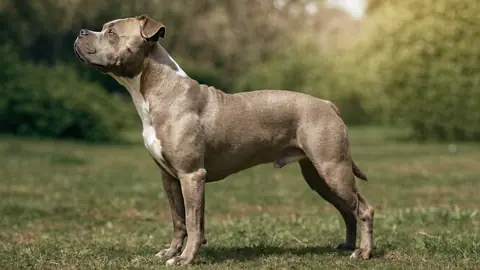 American Staffordshire TerrierWhat an AmStaff costs in India, why the top result for this query prints Staffordshire Bull Terrier figures on an AmStaff page,...
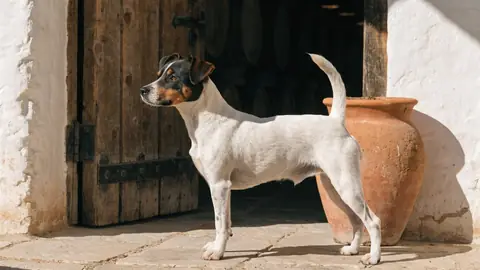 Andalusian TerrierSpain's sherry-cellar rat catcher, provisionally recognised by the FCI in 2024 and described by three official documents that...
 Australian Silky TerrierOne breed, three registries and two near-identical cousins. What the standards actually say about the Silky's single silky coat...
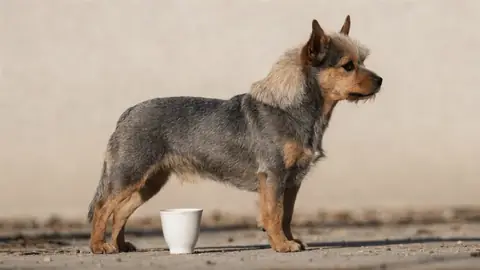 Australian TerrierThere is no verified Australian Terrier price in India, and the measurements and coat facts that separate this breed from the...
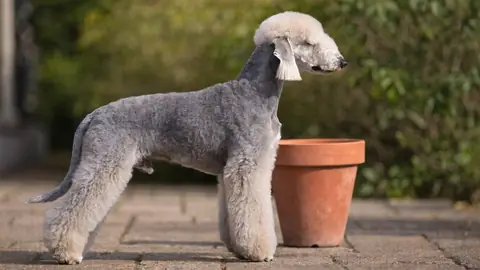 Bedlington TerrierThe copper toxicosis genetics read from the primary papers rather than repeated, carrier and affected rates given with their...
 Border TerrierThe published Indian prices are for a dog nobody in India appears to be selling, and the breed carries a gluten-linked movement...
 Brazilian TerrierA 10 kg Brazilian terrier with a naturally short or long tail, an inbreeding problem at home, and an origin climate cooler than...
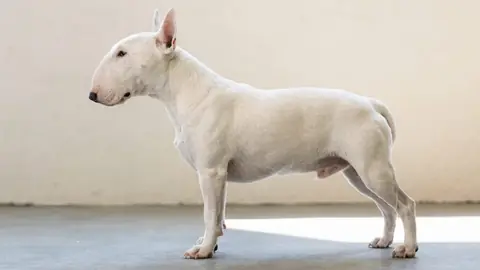 Bull TerrierWhat a Bull Terrier costs in India, why the egg-shaped head is written into the breed standard rather than bred by accident, how...
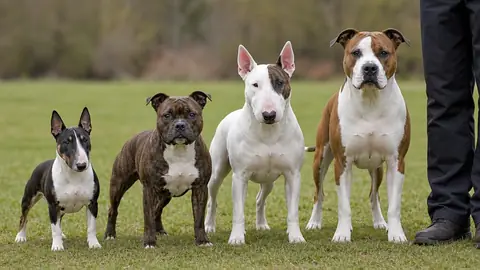 Bull-type terrierThe phrase names a shelf in a registry, not a dog. Four FCI breeds sit on that shelf, their standards contradict each other,...
 Ca Rater MallorquíMallorca's ratting terrier, four kilos and built to jump: 2,119 in the studbook, a tail clause the whole internet misreads, and...
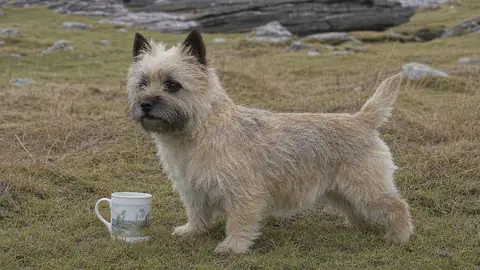 Cairn TerrierA 6 to 7.5 kg Scottish earth terrier whose own kennel club now lists it At Watch, whose harsh coat has to be hand stripped in a...
 Cesky TerrierA 6 to 10 kg Czech terrier built in 1949 from two named breeds, the only terrier whose standard tells you to cut the coat rather...
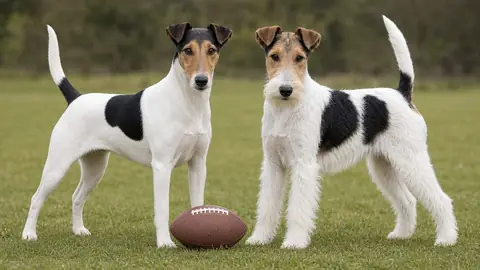 Fox TerrierTwo separate breeds share this name and no register anywhere holds a breed called simply Fox Terrier. Here is which is which, and...
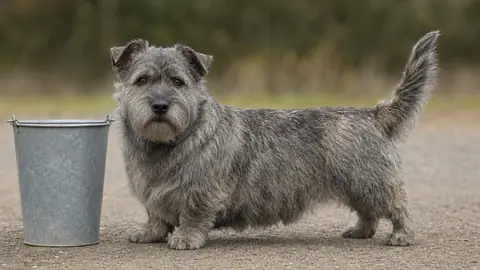 Glen of Imaal TerrierIreland's only short-legged terrier, recognised by its own national kennel club in 1934, down to 61 UK registrations in 2025,...
 Gull TerrierA white, erect-eared bull terrier type of the Punjab, primarily Pakistani rather than Indian, and used in dog fighting on both...
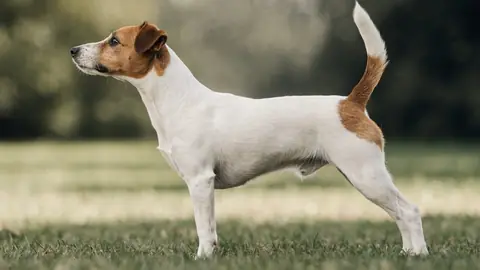 Jack Russell TerrierWhat a Jack Russell Terrier costs in India, which of three Russell breeds you are actually being sold, why primary lens luxation...
 JagdterrierGermany's only mandatory-working-trial terrier, measured against Indian heat, Indian law and a standard that describes a docked...
 Parson Russell TerrierThree registry breeds share the Russell name at three different heights, and India sells all of them under one. Which one you are...
 Rat TerrierAn American farm ratter in two size varieties, with the deepest screening record of any breed in this batch, the third-highest...
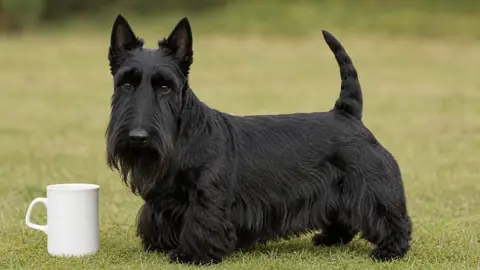 Scottish TerrierA 25 to 28 cm Aberdeen earth terrier that its own registry now lists At Watch rather than Vulnerable, whose harsh double coat was...
 Sealyham TerrierA 9 kg white Pembrokeshire earth terrier on the Royal Kennel Club's vulnerable list at 111 registrations, with 45.6 percent of...
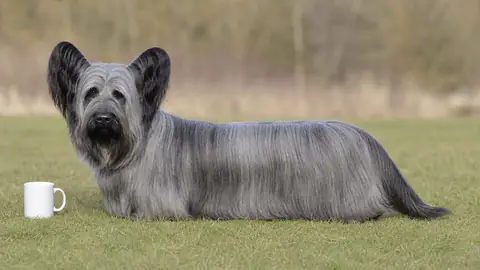 Skye TerrierA 25 cm Hebridean earth terrier that is twice as long as it is high, carries 16 to 20 kg on those short legs, appears exactly...
 Staffordshire Bull TerrierWhat a Staffordshire Bull Terrier costs in India, why published prices differ by ten times, the two DNA tests a buyer can demand,...
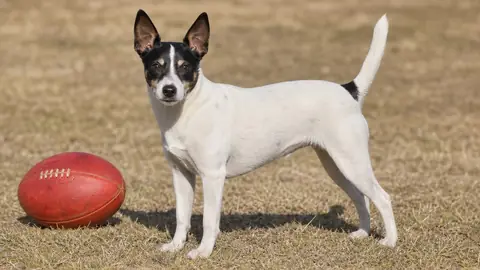 Tenterfield TerrierAn Australian working terrier that Dogs Australia still classes as a Breed under Development, a status written to expire on 31...
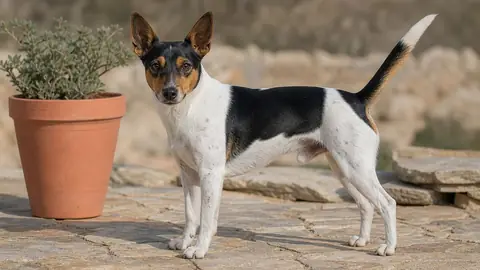 Valencian TerrierA small Valencian ratting terrier with two official standards that disagree about its proportions, its tail and even which...
 West Highland White TerrierA 28 cm white Argyll terrier whose own breed standard ends its coat clause with the words free from obvious skin problems, whose...
 Yorkshire TerrierWhat a Yorkshire Terrier costs in India, why the published prices disagree ninefold, what a 2026 study of 11,061 Yorkies found...
Compare the breeds side by side
To compare these 30 breeds directly, read across the table rather than down the guides. Heat tolerance is a Bonbeno rating out of 5 for Indian conditions, and the reasoning behind each one sits on the breed's own page.
| Breed | Heat tolerance | Published price, India |
|---|---|---|
| Airedale Terrier | 2 of 5 | Rs 40,000 to Rs 1,60,000 |
| American Hairless Terrier | 2 of 5 | None. No Indian listing carries a price for a real dog of this breed |
| American Pit Bull Terrier | 3 of 5 | Rs 8,000 |
| American Staffordshire Terrier | 3 of 5 | Rs 12,000 to Rs 1,00,000 |
| Andalusian Terrier | 4 of 5 | See page |
| Australian Silky Terrier | 3 of 5 | Rs 25,000 to Rs 70,000 |
| Australian Terrier | 3 of 5 | None. Every listing page checked showed zero live puppies |
| Bedlington Terrier | 3 of 5 | One |
| Border Terrier | 2 of 5 | See page |
| Brazilian Terrier | 3 of 5 | None. The nearest same-size terrier sells for Rs 20,000 to Rs 35,000 |
| Bull Terrier | 3 of 5 | Rs 45,000 to Rs 3,00,000 |
| Bull-type terrier | 3 of 5 | Rs 35,000 to 45,000 for a Staffordshire Bull Terrier, Rs 55,000 to 1,50,000 for a Bull Terrier |
| Ca Rater Mallorquí | 3 of 5 | None exists. No listing, no Justdial category, no lawful route |
| Cairn Terrier | 2 of 5 | ₹800 to ₹6,000 |
| Cesky Terrier | 3 of 5 | Rs 6,000 to Rs 25,000, printed beside Listings 0 and a dash for the live average |
| Fox Terrier | 2 of 5 | Zero, against 30 hits for Labrador in the same page |
| Glen of Imaal Terrier | 2 of 5 | See page |
| Gull Terrier | 3 of 5 | Up to 200,000 PKR |
| Jack Russell Terrier | 3 of 5 | Rs 20,000 to Rs 35,000 |
| Jagdterrier | 2 of 5 | See page |
| Parson Russell Terrier | 3 of 5 | Rs 65,000 to Rs 1,20,000 |
| Rat Terrier | 2 of 5 | Rs 20,000 to Rs 50,000, and Rs 51,800 |
| Scottish Terrier | 2 of 5 | 0 |
| Sealyham Terrier | 2 of 5 | 0 |
| Skye Terrier | 2 of 5 | 0 |
| Staffordshire Bull Terrier | 3 of 5 | Rs 35,000 to Rs 8,00,000 |
| Tenterfield Terrier | 3 of 5 | See page |
| Valencian Terrier | 3 of 5 | See page |
| West Highland White Terrier | 2 of 5 | 66 times |
| Yorkshire Terrier | 3 of 5 | Rs 12,000 to Rs 1,40,000 |
What matters in this group
The points below are what the evidence on these 30 guides actually supports, not what the category is assumed to mean.
- Prey drive is the defining trait of the group and the one Indian sellers never mention. A dog selected for centuries to pursue and dispatch small animals without waiting for instruction is not a neutral flatmate for a cat, a rabbit or an unsupervised balcony, and no amount of training removes the instinct.
- Noise is a close second. Terriers were bred to give voice on finding quarry, which in an Indian apartment block becomes a neighbour problem rather than a useful signal. It is manageable with work and it is not trainable to zero.
- The group spans an unusually wide health picture, from small breeds whose recurring costs are dental disease and patellar luxation to the bull types whose joint screening data differs sharply between breeds people treat as interchangeable. Each guide gives that breed's own figures rather than the group's average.
Membership is generated from the breed data itself, not typed by hand, so this list cannot drift from the guides it points at and fills in as more publish. The 30 guides here cite 1149 sources between them.
This page is a directory of published Bonbeno guides, generated from their data rather than written as clinical guidance, so no veterinarian reviewed this page itself. Each linked guide carries its own veterinary review and its own health sections. Breed level evidence describes populations, and your animal is an individual, so consult your nearby vet before acting on anything you read here.
Common questions
How does Bonbeno decide which breeds belong on this page?
Membership is generated from each breed's own published data rather than chosen by an editor. The group is defined by a shared trait rather than a rating, so its members are named in the site's own cluster definition and each one is checked against the published guide before it appears. A breed appears here the moment its guide publishes and meets that rule, and never before, which is why no link on this page can point at a guide that does not exist.
What is a Bonbeno heat tolerance rating?
It is a 1 to 5 rating of how well a breed copes with Indian conditions, where 5 is best. Almost no international breed reference publishes one, and in a country where summer temperatures pass 45 C it is the most decision-relevant trait there is. It is Bonbeno's own judgement, built from published heat-illness evidence where that exists and stated as inference where it does not.
Are the prices on this page current?
Each price is read from that breed's own guide, where it is compared across published Indian sources and cited. Published Indian breed prices disagree widely between sellers, sometimes by more than a lakh for the same breed, so treat the figure here as the lowest band Bonbeno found and read the guide for the full range.
Does Bonbeno sell or broker any of these dogs?
No. Bonbeno does not sell pet food, products or animals and does not broker puppy or kitten sales. Nothing on this page is a listing, and no breeder or seller can pay to appear on it.