
History
Extinct dog breeds, and what is actually known about each
Dogs that no longer exist, known from bones, carvings, stud books or eyewitnesses, and why every profile that prices one has invented it.
Quick answer
An extinct dog breed is a dog population that no longer exists, and Bonbeno treats each one as an evidence question rather than a breed profile. Every page lists the evidence base, from fourteen sequenced genomes for the kurī to one 1948 sentence and two photographs for the Welsh Hillman, and runs the two-document breed test on the animal in its own lifetime where it can. The Tahltan Bear Dog and the Paisley Terrier pass it as breeds; the Southern Hound and the Tweed Water Spaniel were types that ran out of time. None has a recorded lifespan, temperament rating or price, so any profile printing one generated it.
The breeds
Every dog here no longer exists, and every guide starts by listing what actually survives of it, whether that is bones, carvings, a pelt, a stud book entry or one man's paragraph. The breed test is then run on the animal in its own lifetime, which is a separate question from whether it is gone.
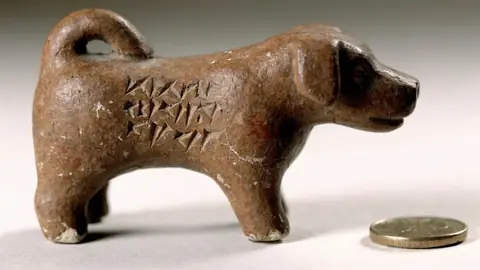 Assyrian MastiffFive painted clay dogs the length of a teaspoon, buried under a doorway at Nineveh in about 645 BC, are the entire physical basis...
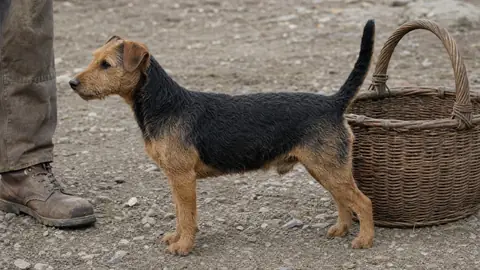 Black and Tan TerrierBritain's default terrier colour became a breed name, then four Kennel Club decisions took the name away again. One line was...
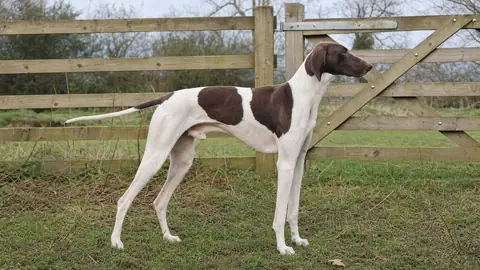 Braque DupuyA French pointing breed that the reference works call extinct, checked against the registries that would have to say so.
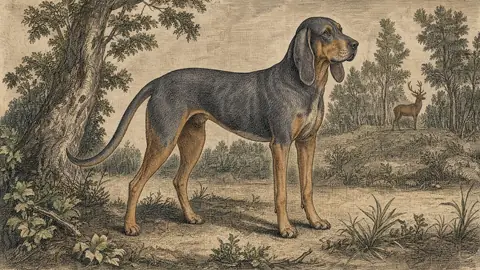 Chien-grisNo kennel club anywhere recognises this breed, no living population exists, and the king and the master of venery who actually...
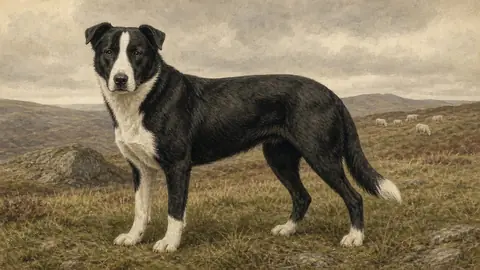 Cumberland SheepdogNo kennel club anywhere recognises this dog, no living population exists, and almost everything published about it traces back to...
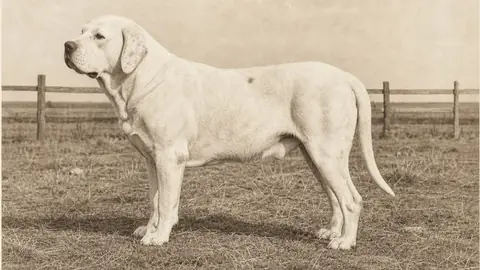 Córdoba fighting dogArgentina bred a dog whose only job was to win fights, then criminalised the fights in 1954. This page is about what that did to...
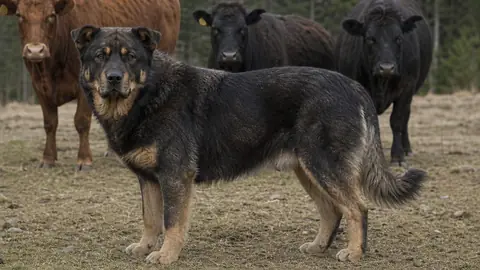 Dalbo DogNo kennel club anywhere lists this dog, no living population exists, and the whole English-language internet repeats four...
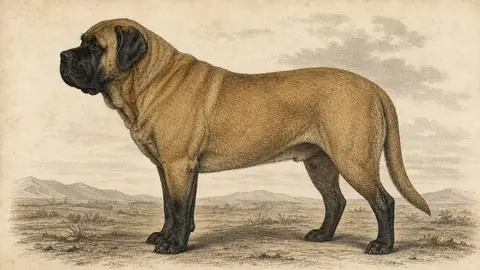 Dogo CubanoColonial Cuba bred a dog to track and hold human beings, then sold it to Jamaica, to France and to the United States. This page...
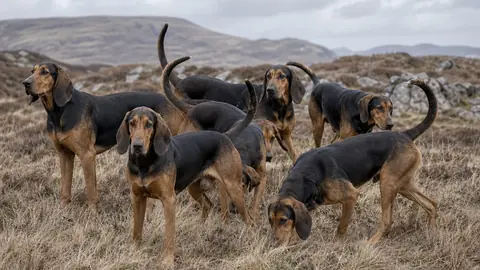 Dumfriesshire houndThis was never a breed you could buy. It was one man's private pack of large black and tan foxhounds in south-west Scotland, and...
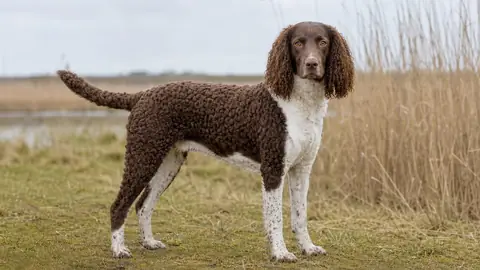 English Water SpanielIt hunted duck in East Anglia, it had a written standard, and the Kennel Club put it in a class it never bothered to define. Here...
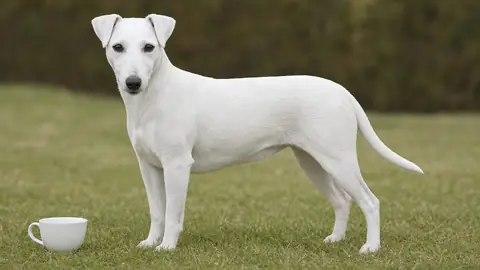 English White TerrierIts breed club wrote a standard that disqualified any coloured marking and required cropped ears. Both rules are now understood...
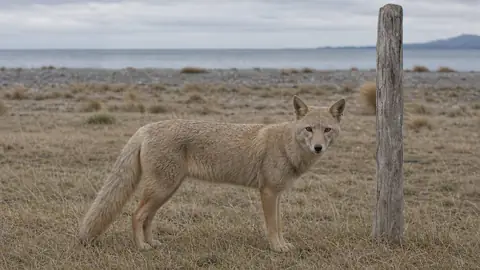 Fuegian DogAn animal kept by the Selk'nam and Yahgan peoples of Tierra del Fuego, described by every European who saw it as fox-like,...
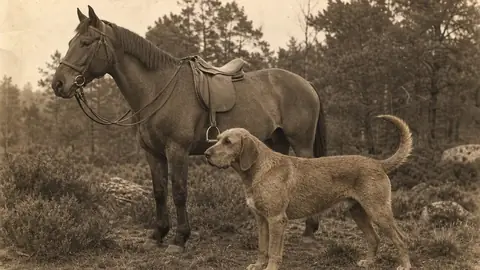 Grand Fauve de BretagneA wolf hound from Brittany that every English page calls extinct, and not one of them dates.
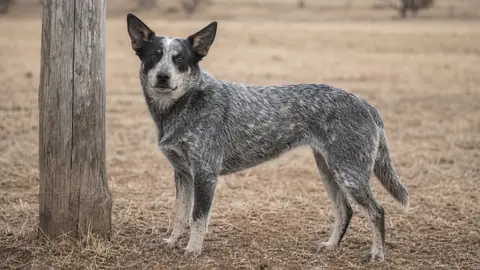 Halls HeelerA historical Australian type that no longer exists as a distinct population, tested against Bonbeno's own two-condition rule and...
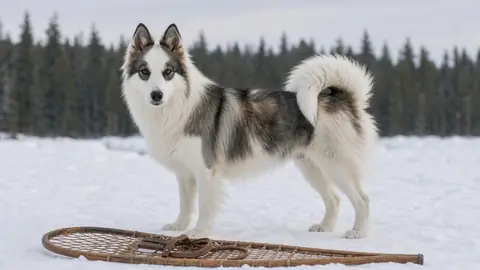 Hare Indian DogA small hunting dog kept by the K'ahsho Got'ine and neighbouring Dene of the Mackenzie River, described in detail exactly once,...
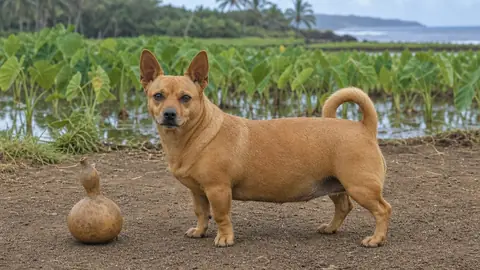 Hawaiian Poi DogThe ʻīlio, the native dog of Hawaiʻi, described once at length by a lieutenant on Cook's third voyage, measured as two skulls by...
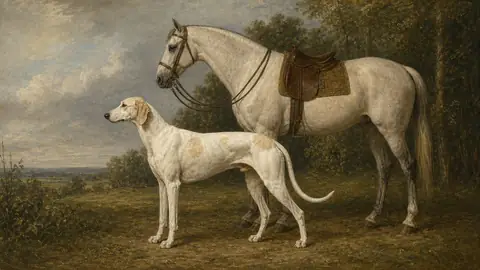 King's White HoundThe white running hound of the French kings, extinct for three centuries, read out of the 1561 book that first described it...
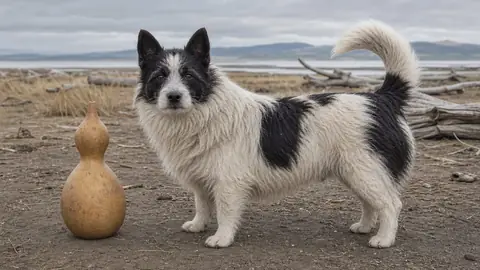 KurīThe kurī, the dog Māori voyagers carried to Aotearoa New Zealand around the turn of the fourteenth century, kept for food, for...LaconianThe hunting dog of ancient Sparta, read out of Xenophon's own Greek rather than out of the footnote that everybody quotes instead.
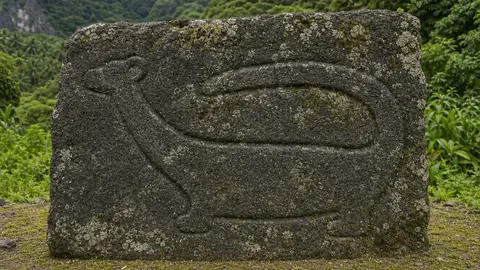 Marquesan DogAn extinct dog of the Marquesas Islands known only from carvings, a handful of bones and four burials, described by no European...
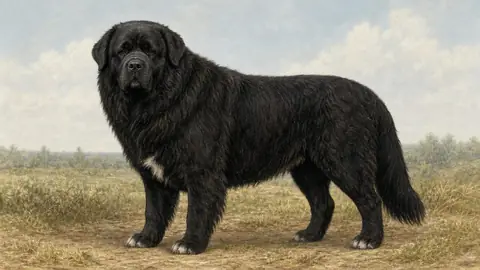 Moscow Water DogA Red Star kennel experiment that failed certification and was absorbed back into the Newfoundland population. The English...
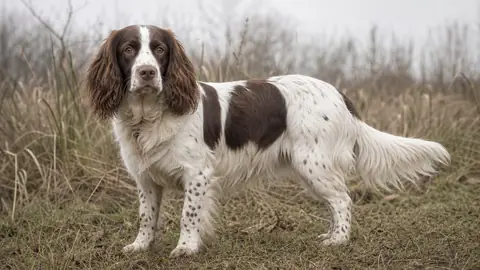 Norfolk SpanielIt was called the commonest dog in England, it was given a written breed standard, and the men who actually saw it argued in...
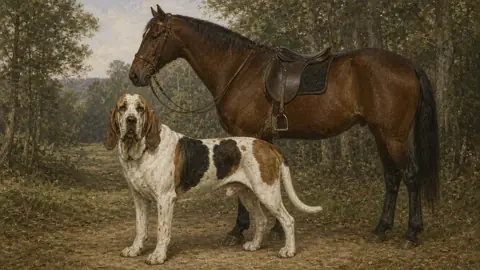 Norman HoundA large French running hound that died out before France had a studbook, tested against Bonbeno's two-condition rule in its own...
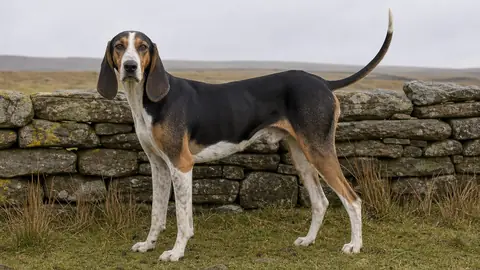 North Country BeagleAn extinct English hound whose whole modern description descends from one sentence Gervase Markham wrote about choosing a swift...
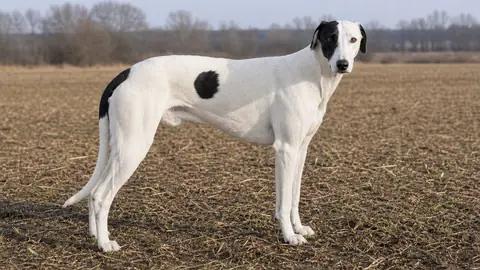 Old Croatian SighthoundEvery page ranking for this breed repeats the same four facts from one Wikipedia stub. The paper underneath that stub says the...
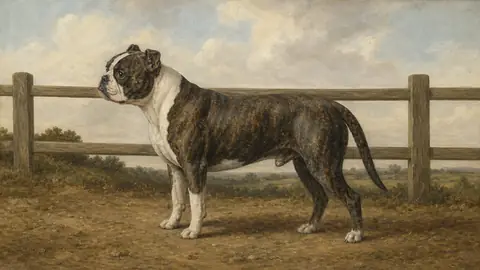 Old English BulldogThe bull-baiting dog of Georgian England, extinct for roughly two centuries, tested against Bonbeno's own two-condition rule and...
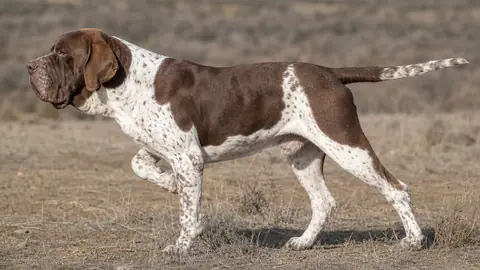 Old Spanish PointerA historical Iberian pointing stock, named in a Spanish government order as an antiguo tronco rather than a breed, and the source...
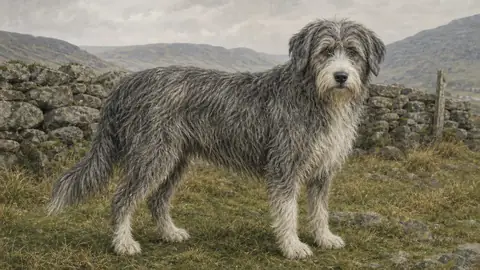 Old Welsh Grey SheepdogA breed that is gone, written from the documents rather than from the other pages about it, with every disagreement left standing.
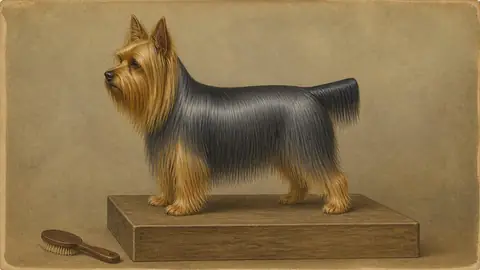 Paisley TerrierIt is the rare extinct dog that passes Bonbeno's breed test outright. The Paisley had a written standard with a scale of points...
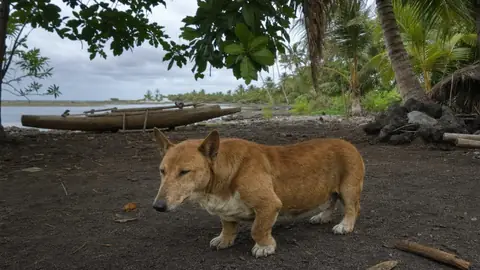 Polynesian DogWikipedia's list of extinct dog breeds calls this a catch-all term for four breeds. Wikipedia's own Polynesian Dog article lists...
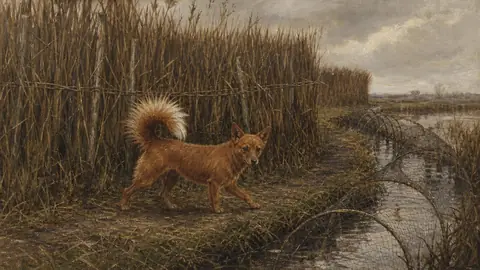 Red Decoy DogA fox-coloured English dog that lured ducks into nets, defined in 1886 by what it did rather than by what it was, and survived...
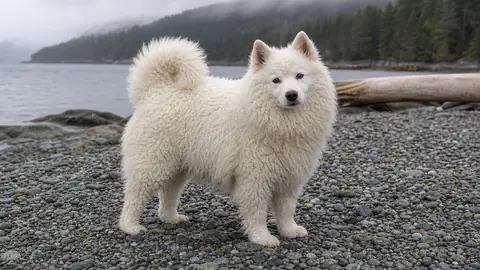 Salish Wool DogOne pelt, one genome, seven Elders and five thousand years of husbandry, read against the paperwork test this site applies to...
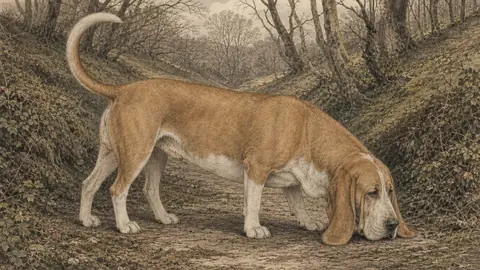 Southern HoundIt has no standard, no studbook, no photograph and no measurements, and it was declared extinct five years after the Kennel Club...
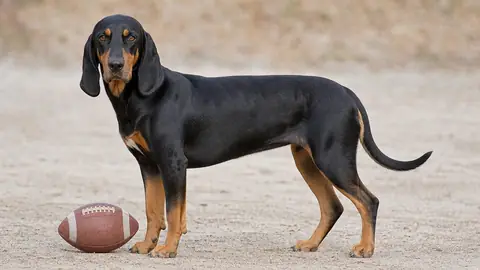 St. Hubert Jura HoundA Swiss hound type the governing standard records as gone, kept alive in English by one Wikipedia stub whose own infobox names a...
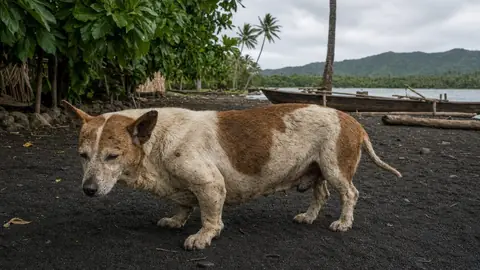 Tahitian DogCook's men ate it, Forster carried two aboard toward England, and Charles Hamilton Smith gave it a scientific name that covered...
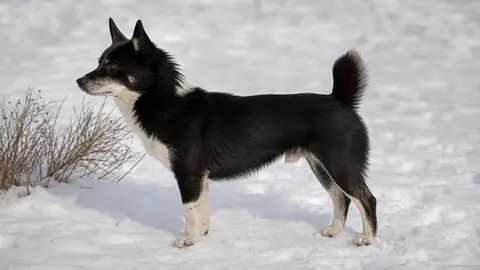 Tahltan Bear DogThe only breed on this list that passes Bonbeno's two-condition test, and the only one whose own records say what heat did to it.
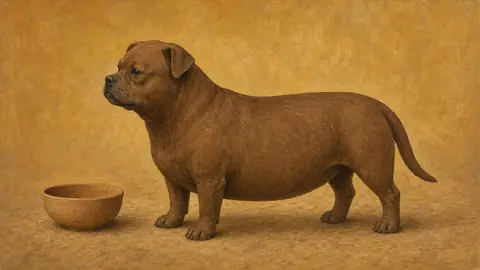 TechichiA name from colonial-era Mexico that the modern internet has turned into a breed profile, complete with a temperament, a lifespan...
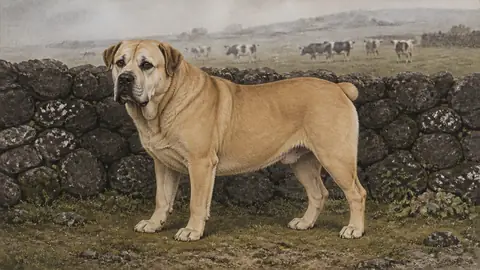 Terceira MastiffAn extinct Azorean fighting and cattle dog, absent from every register including its own national club's list of unrecognised...
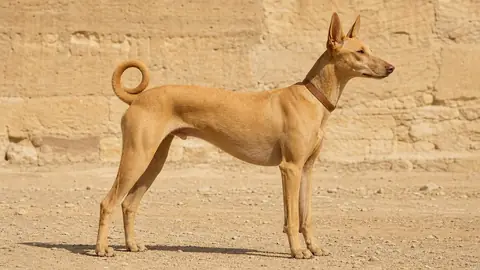 TesemA word, a depiction convention and a criticised 1907 skull study, read against the two-condition test this site applies to every...
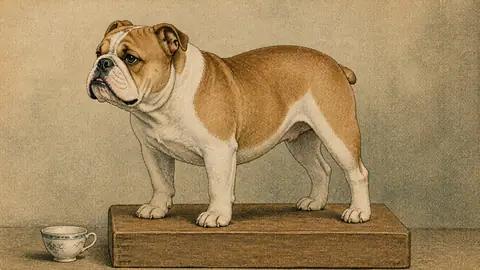 Toy BulldogIts own club adopted the Bulldog's standard and changed one number. Here is what that means for the breed question, what the 1903...
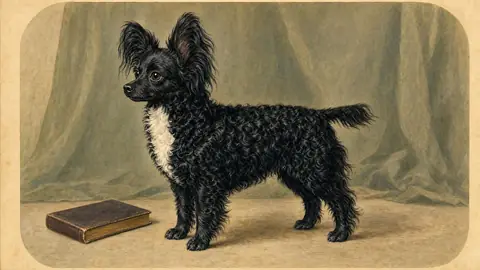 Toy Trawler SpanielIt had a written standard, a scale of points that sums exactly to 100, a disqualification list and show classes, and the woman...
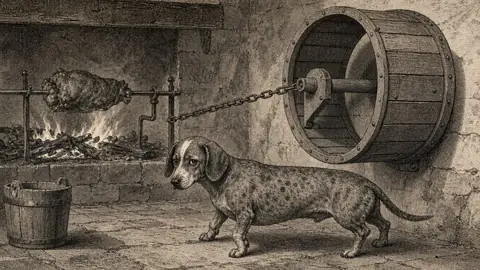 Turnspit dogIt was a job before it was a dog, and the job ended. Here is what the 1576 text actually says, when the last one is documented...
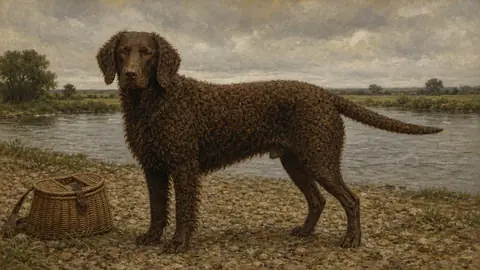 Tweed Water SpanielIt has no standard, no studbook, no photograph and no reliable eyewitness, and it is nonetheless the reason the most popular...
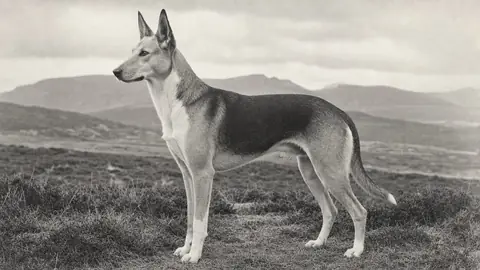 Welsh HillmanEverything published about this dog traces to a handful of sources, and two of them turn out to be one. Here is the citation...
Compare the breeds side by side
To compare these 44 breeds directly, read across the table rather than down the guides. Heat tolerance is a Bonbeno rating out of 5 for Indian conditions, and the reasoning behind each one sits on the breed's own page.
| Breed | Heat tolerance | Published price, India |
|---|---|---|
| Assyrian Mastiff | 2 of 5 | None. No listing, no breeder, no rupee figure exists |
| Black and Tan Terrier | 1 of 5 | None |
| Braque Dupuy | 3 of 5 | See page |
| Chien-gris | 1 of 5 | 0 of 3 |
| Cumberland Sheepdog | 1 of 5 | 0 |
| Córdoba fighting dog | 2 of 5 | None exists |
| Dalbo Dog | 1 of 5 | 0, against 11 for Labrador on the same page |
| Dogo Cubano | 2 of 5 | See page |
| Dumfriesshire hound | 1 of 5 | See page |
| English Water Spaniel | 1 of 5 | None, because none exists |
| English White Terrier | 1 of 5 | None, because none exists |
| Fuegian Dog | 1 of 5 | See page |
| Grand Fauve de Bretagne | 1 of 5 | None exists for this breed |
| Halls Heeler | 3 of 5 | 0 across three lists covering 40+, 50+ and 40 breeds |
| Hare Indian Dog | 1 of 5 | See page |
| Hawaiian Poi Dog | 4 of 5 | Zero. All ten results were books, clothing, a mug, a marinade or an article |
| King's White Hound | 2 of 5 | Rs 500, renewed at Rs 500 |
| Kurī | 2 of 5 | Zero in 127,066 characters, against 9 for Labrador as a control |
| Laconian | 3 of 5 | None exists |
| Marquesan Dog | 3 of 5 | Rs 6,000 to Rs 10,000 on the published Indian size-band table |
| Moscow Water Dog | 1 of 5 | Rs 3,000 to Rs 10,000, with large working breeds at the top |
| Norfolk Spaniel | 2 of 5 | None exists, and none is published here |
| Norman Hound | 1 of 5 | None exists, and any quoted figure is invented |
| North Country Beagle | 2 of 5 | Zero of ten. Nine results describe the living Beagle and the tenth sells merchandise |
| Old Croatian Sighthound | 1 of 5 | Rs 2,500 to Rs 6,000 across three published Indian schedules |
| Old English Bulldog | 1 of 5 | None exists. Indian results for the name sell the modern English Bulldog instead |
| Old Spanish Pointer | 3 of 5 | See page |
| Old Welsh Grey Sheepdog | 1 of 5 | From Rs 1,359 for a 120-minute session |
| Paisley Terrier | 1 of 5 | None exists, and Google answers the query in US dollars for a different breed |
| Polynesian Dog | 5 of 5 | Rs 1,103 |
| Red Decoy Dog | 2 of 5 | See page |
| Salish Wool Dog | 1 of 5 | Rs 45,000 to Rs 2,00,000 and above for a Siberian Husky |
| Southern Hound | 1 of 5 | None exists. Two of the top ten Indian results are about the American South |
| St. Hubert Jura Hound | 1 of 5 | See page |
| Tahitian Dog | 5 of 5 | Rs 1,103 |
| Tahltan Bear Dog | 1 of 5 | Rs 50, with 9,115 issued in 2024 |
| Techichi | 3 of 5 | Eight of eight were about the Chihuahua, none about the Techichi |
| Terceira Mastiff | 1 of 5 | Rs 699, with the 9-in-1 from Rs 899 |
| Tesem | 5 of 5 | Rs 0 to Rs 5,000 for an Indian pariah dog |
| Toy Bulldog | 1 of 5 | Rs 105 to Rs 10,786, and every one of them is a plush toy |
| Toy Trawler Spaniel | 2 of 5 | See page |
| Turnspit dog | 1 of 5 | None exists, and any figure quoted is invented |
| Tweed Water Spaniel | 1 of 5 | None exists. The first result for the query is a Golden Retriever price page |
| Welsh Hillman | 1 of 5 | See page |
What matters in this group
The points below are what the evidence on these 44 guides actually supports, not what the category is assumed to mean.
- The evidence behind these names varies by orders of magnitude, and each page opens by listing it in full. At one end sits the kurī of Aotearoa New Zealand, with fourteen complete mitochondrial genomes sequenced from a single oven feature at Wairau Bar, a dental study of more than 100 individuals, and a female shot in the Catlins in 1867 held at Te Papa as LM000828. At the other sits the Marquesan Dog, which no European visitor ever recorded seeing alive, and whose entire physical record is stone carvings, bone fragments from four excavation campaigns, four documented burials and one drilled canine worn as a pendant. The Salish Wool Dog rests on one pelt, USNM 4762, one nuclear genome sequenced from it to 3.4x depth in 2023, and interviews with seven Coast Salish knowledge holders. The Hare Indian Dog was described in detail exactly once, by John Richardson in 1829, in two pages and one plate, and no specimen has ever been genetically tested. The Welsh Hillman's whole documented existence is one sentence from 1948, two conflicting descriptions written seventeen years apart, and two black-and-white photographs of different dogs. A reader who meets any of these names in a list should ask which of those columns it sits in before believing anything else about it.
- Extinct and type are different questions, and the pages keep them apart. Bonbeno's breed test asks for two documents in the animal's own lifetime, a written standard and a studbook, and extinction says nothing about either. The Tahltan Bear Dog passes. A standard of characteristics was written, the Canadian Kennel Club recognised it on 5 February 1941, nine dogs were ever registered, and the register closed in 1979 when the last intact female, Nancy Dill, died without pups. The Paisley Terrier passes too, with a Clydesdale Club standard carrying a 100-point scale and a Kennel Club Stud Book classification from 1888, and it was still extinct by about the end of the 1930s. The Southern Hound fails both conditions because it was gone before British registration existed; the Kennel Club was founded in 1873 and Stonehenge excluded the type as extinct in 1878. Between those sit the mixed cases. The Toy Bulldog had Kennel Club show classes and a club but adopted the Bulldog's standard wholesale, changing only the weight, so its verdict is a register without a standard. The Toy Trawler Spaniel had a 100-point standard published in 1911 and never reached a register, so its verdict is a breed in formation. Five extinct dogs, four different verdicts, and the test tells them apart.
- The Marquesan Dog page gives the reason competitor profiles are wrong in its own words. The animal has no recorded lifespan, weight, height, coat, temperament or breed standard, and every page that gives it one has invented it. The mechanism is the template. When a profile has a height field, a weight field, a lifespan field and a temperament field, something has to go in them, and on an extinct breed there is nothing to put. One ranking profile gives the Marquesan Dog 12 to 15 years, 18 to 27 kg, 46 to 61 cm and an annual hip evaluation schedule on a page whose own conservation block says the breed is extinct. A breed-comparison site prints a lifespan, a bite force, a litter size, a gestation length, a feeding quantity and twenty-eight trait ratings for the Hare Indian Dog. For the Chien-gris, four sites publish a life expectancy of 9 to 11 years and none cites a source. For the Norfolk Spaniel, one aggregator prescribes a hip evaluation annually after two years of age for a dog whose name the Kennel Club retired in 1902. The honest aggregator answer exists and is rare. One page prints no records three times, for the Hare Indian Dog's health, lifespan and litter size, and that is correct.
- An extinction date is the most copied fact about any of these dogs and the least checked, so the pages date each ending from documents and print the disagreements. The Tahltan Bear Dog is the rare case with a register to date it from. Six dogs were known in 1975, all male or spayed except one, and the breed ended in 1979. The rest are ranges. The kurī has five dates in circulation, from the early 1800s to the second half of the nineteenth century, and the New Zealand government encyclopedia says plainly that it is unclear. The Marquesan Dog's 1595 rests on one sentence written in 1960 that reads extinct or very rare, and a 1998 excavation on Tahuata found dog bone in all levels. The Norman Hound's stated 1875 is contradicted by a 1907 reference work describing it in the present tense with a height and a weight. The Welsh Hillman's famous 1990 rests on one spayed pet bitch called Jess, bought near Hay-on-Wye in 1974 and reported from memory in 1994, a sentence Wikipedia has carried uncited through sixty revisions. The English Water Spaniel's 1930s is subtraction performed on a 1967 sentence saying none had been seen for over thirty years. Where a date cannot be sourced, the page prints the bracket.
- Breeds end in more than one way, and the difference is invisible in the sentence the breed became extinct. Some were bred into something else. A Tweed Water Spaniel bitch named Belle was mated to a yellow retriever named Nous at Guisachan in 1868, every Golden Retriever descends from the four yellow bitches in that litter, and no registry ever held the Tweed itself. Some lost their job. The turnspit was any dog taught to run inside a kitchen wheel, last documented working in Wales and Germany about 1870, and it went because the machine that replaced it was cheaper. The Old English Bulldog ended because the job ended, and the usual date given is the Cruelty to Animals Act 1835. One was killed by its own document. The English White Terrier's club standard disqualified any coloured marking and required cropped ears, pigment protects against congenital deafness, the Kennel Club banned cropped dogs from its shows, and by 1909 not a single specimen appeared at the Kennel Club Show or five other named shows. And one ended with the people who kept it. The 2023 study of the Salish Wool Dog rejects the cheap-blanket explanation and gives a different account, that the people who kept the dogs were removed, restricted and criminalised, and the dogs went with them.
- For a reader in India the consequence is short. No pedigree can exist under any of these names, so paperwork offered with one is either empty or for a different dog, and Second Schedule Part II paragraph 6(9) of the Dog Breeding and Marketing Rules 2017 prohibits breeding to create new breeds, which covers any attempt to recreate one here. The only rupee figures the pages found under these names are for merchandise. A Marquesan Dog poster costs Rs 589, the Hawaiian Poi Dog search returned a paperback, a sweater and a mug, and the Toy Bulldog search returned plush toys priced from Rs 105 to Rs 10,786. What a search usually returns instead is a living breed wearing the dead one's name. Eight of eight Indian results for techichi dog price were about the Chihuahua. Nine of ten for the North Country Beagle described the living Beagle. The first result for a Tweed Water Spaniel price was a Golden Retriever price page. The Indian pages ranking for the English White Terrier sell the West Highland White Terrier. The check that catches all of it takes thirty seconds. Read the history section of any extinct-breed page and ask which place it names. A top-ten Marquesan Dog profile was describing the kurī of Aotearoa New Zealand, 6,000 km away.
Membership is generated from the breed data itself, not typed by hand, so this list cannot drift from the guides it points at and fills in as more publish. The 44 guides here cite 1541 sources between them.
This page is a directory of published Bonbeno guides, generated from their data rather than written as clinical guidance, so no veterinarian reviewed this page itself. Each linked guide carries its own veterinary review and its own health sections. Breed level evidence describes populations, and your animal is an individual, so consult your nearby vet before acting on anything you read here.
Common questions
How does Bonbeno decide which breeds belong on this page?
Membership is generated from each breed's own published data rather than chosen by an editor. The group is defined by a shared trait rather than a rating, so its members are named in the site's own cluster definition and each one is checked against the published guide before it appears. A breed appears here the moment its guide publishes and meets that rule, and never before, which is why no link on this page can point at a guide that does not exist.
What is a Bonbeno heat tolerance rating?
It is a 1 to 5 rating of how well a breed copes with Indian conditions, where 5 is best. Almost no international breed reference publishes one, and in a country where summer temperatures pass 45 C it is the most decision-relevant trait there is. It is Bonbeno's own judgement, built from published heat-illness evidence where that exists and stated as inference where it does not.
Are the prices on this page current?
Each price is read from that breed's own guide, where it is compared across published Indian sources and cited. Published Indian breed prices disagree widely between sellers, sometimes by more than a lakh for the same breed, so treat the figure here as the lowest band Bonbeno found and read the guide for the full range.
Does Bonbeno sell or broker any of these dogs?
No. Bonbeno does not sell pet food, products or animals and does not broker puppy or kitten sales. Nothing on this page is a listing, and no breeder or seller can pay to appear on it.