
Recognition
Dog types that are not breeds
Names that are used like breeds, sold like breeds, and that no register anywhere holds as a breed.
Quick answer
A dog type is not a dog breed. A breed has a written standard and a studbook, so a puppy can be checked against a document. A type is a description, and many different dogs satisfy it at once, so there is nothing to check. Every name on this page was opened against the registers that would hold it, on its own guide, and none of them is held anywhere as a breed. Being a landrace is not what puts a dog here: the English Shepherd is a landrace and a standardised breed at the same time.
The breeds
Every name here is used as though it were a breed. None of them is one, and each guide reaches that conclusion by opening the registers that would hold it and reporting what was there.
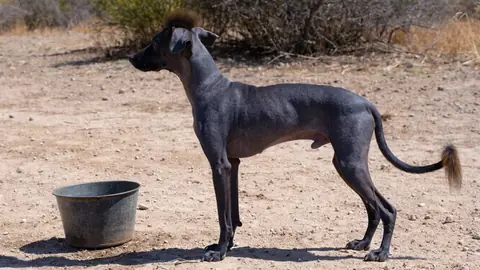 Abyssinian Sand TerrierOne female dog mounted in a glass case in Hertfordshire, with no recorded country, no year and no collector, is the entire...
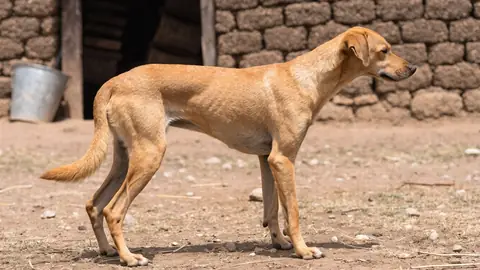 African village dogAfrican village dog is a scientific category rather than a breed. This page settles what it covers, how it relates to the...
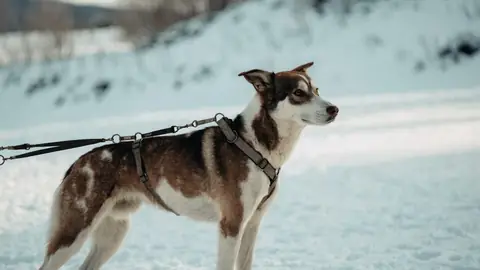 Alaskan HuskyThe Alaskan Husky has no breed standard and no registry recognition anywhere in the world. Here is what that means for an Indian...
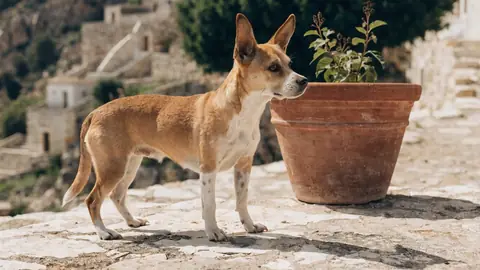 AlopekisNo kennel club recognises this small Greek landrace, not the FCI, not Greece's own club and not the UKC, whatever the ranking...
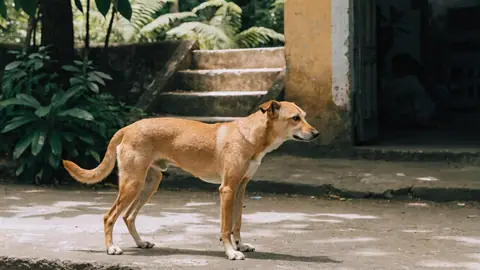 AskalAskal is a Filipino word, not a breed. It names the free-ranging dogs of the Philippines, a population with no written standard,...
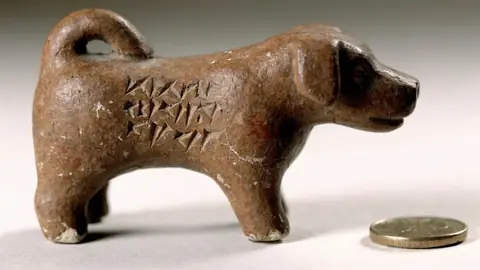 Assyrian MastiffFive painted clay dogs the length of a teaspoon, buried under a doorway at Nineveh in about 645 BC, are the entire physical basis...
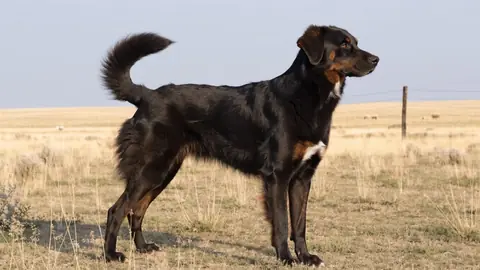 Bankhar DogMongolia's landrace guardian dog, the one Indian buyers meet as a Tibetan Mastiff and Mongolian herders are losing to Tibetan...
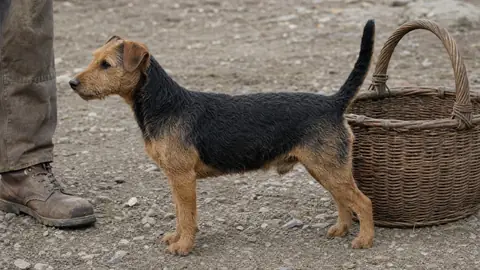 Black and Tan TerrierBritain's default terrier colour became a breed name, then four Kennel Club decisions took the name away again. One line was...
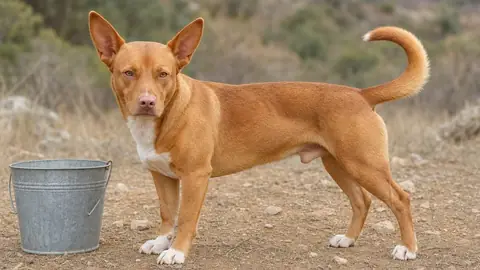 Ca de ConillsBalearic law files this Menorcan rabbit dog beside a duck, six pigeons, a pig and a cow, in a catalogue of populations that might...
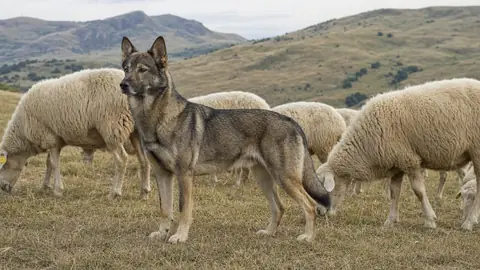 Cane ParatoreA rare Abruzzese droving dog whose entire genetic record rests on two sampled animals, checked against the ENCI and FCI registers...
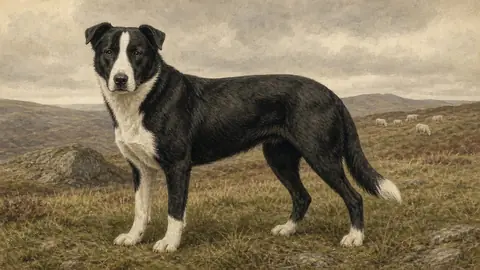 Cumberland SheepdogNo kennel club anywhere recognises this dog, no living population exists, and almost everything published about it traces back to...
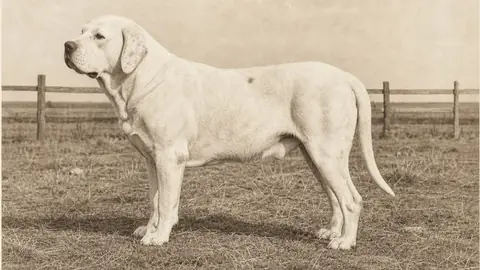 Córdoba fighting dogArgentina bred a dog whose only job was to win fights, then criminalised the fights in 1954. This page is about what that did to...
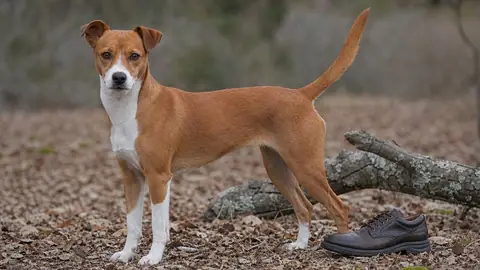 Denmark FeistThe name says Denmark and the dog is from Virginia. Four registries were searched with working controls, OFA holds zero rows...
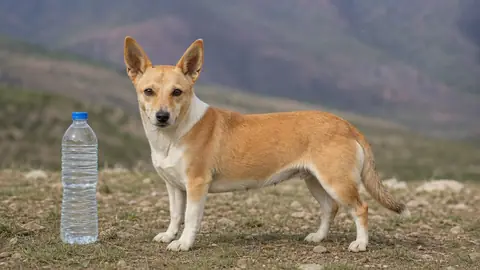 DikkulakA small erect-eared watchdog of north-eastern Turkey, described in one study of 61 dogs and registered by nobody.
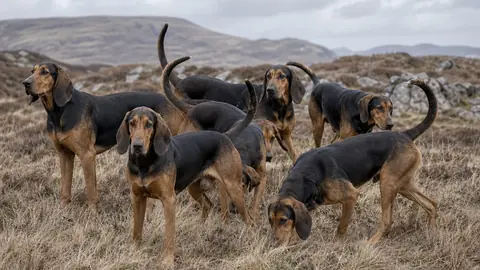 Dumfriesshire houndThis was never a breed you could buy. It was one man's private pack of large black and tan foxhounds in south-west Scotland, and...
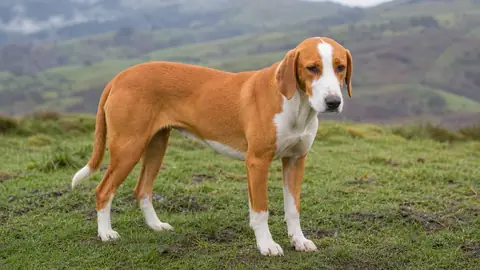 Erbi TxakurBasque law calls it a raza and rates it Critica. Spain's own canine annex does not list it. The Real Sociedad Canina de Espana...
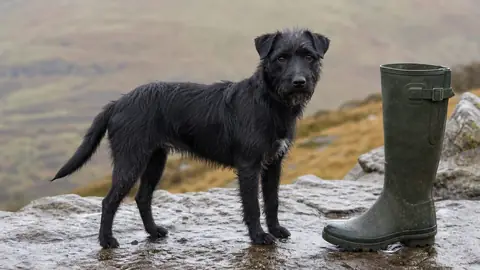 Fell TerrierFour registers were checked one by one, each with a control that returned a result in the same session, and none of them holds a...
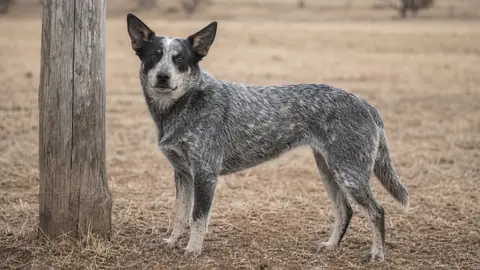 Halls HeelerA historical Australian type that no longer exists as a distinct population, tested against Bonbeno's own two-condition rule and...
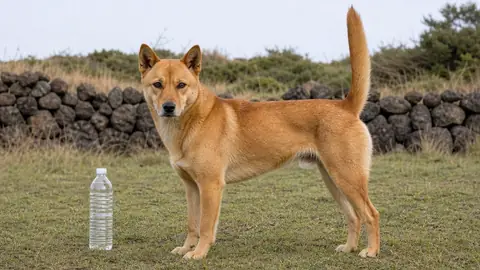 JejuRebuilt from three surviving dogs in 1986, held today at a single provincial livestock institute, and the one Korean native breed...
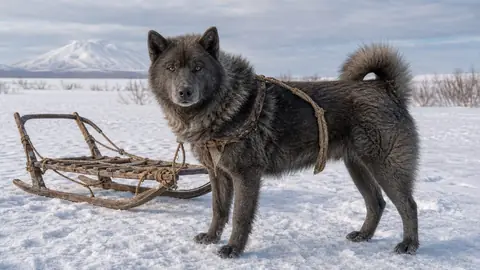 Kamchatka Sled DogThe aboriginal sled dog of the Itelmen and Koryak peoples, tested here against Bonbeno's own two-condition rule and against the...
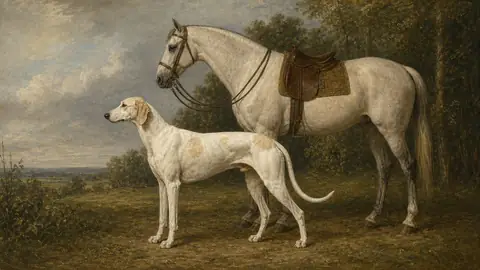 King's White HoundThe white running hound of the French kings, extinct for three centuries, read out of the 1561 book that first described it...
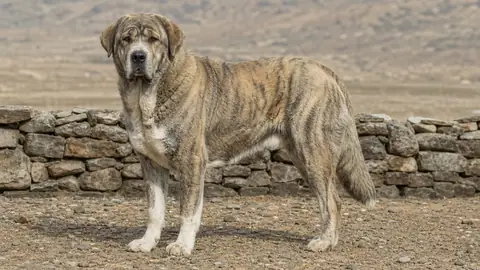 KuchiThe livestock guardian of Afghanistan's nomadic Kuchi people, tested here against Bonbeno's own two-condition rule for what makes...
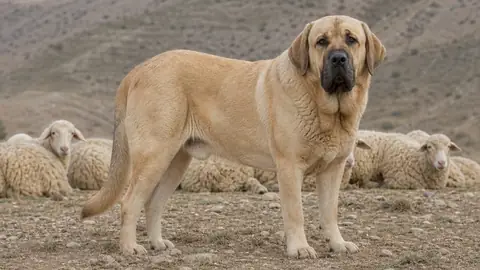 Kurdish MastiffA giant livestock guardian landrace of Iraqi Kurdistan with no standard, no studbook, no kennel club in its own country, one...
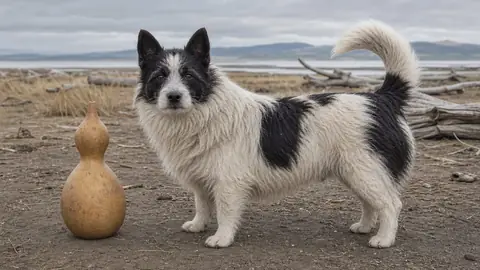 KurīThe kurī, the dog Māori voyagers carried to Aotearoa New Zealand around the turn of the fourteenth century, kept for food, for...LaconianThe hunting dog of ancient Sparta, read out of Xenophon's own Greek rather than out of the footnote that everybody quotes instead.Lai DogOne of Vietnam's four national dogs, the only one its own kennel association does not recognise, and the one nobody can agree on...
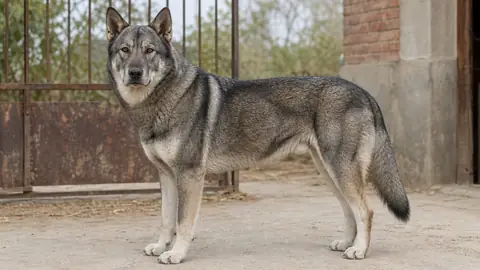 LangqingChinese sources say plainly that langqing names a wolf-grey coat colour several breeds can carry. English sources turned it into...
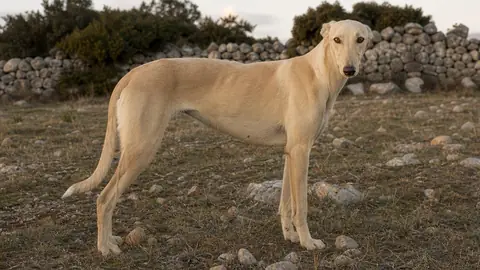 Levriero SardoThe page every search engine puts first is a three-sentence stub with a citation warning on it. The Italian source underneath...
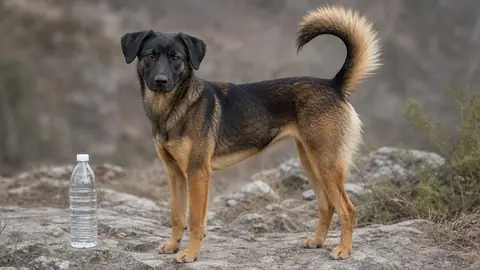 Liangshan DogA Sichuan mountain hunting dog with 12 individuals in the genetic literature, no breed standard in any register on earth, and an...
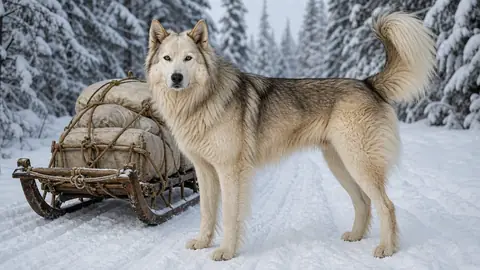 Mackenzie River HuskyA northern freighting dog of the Deh Cho valley, tested here against Bonbeno's own two-condition rule for what makes a breed...
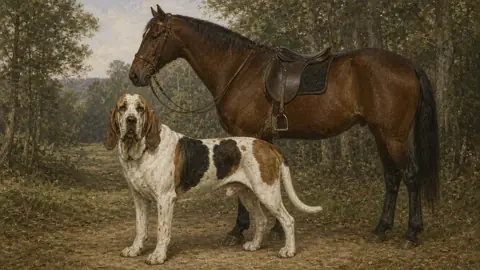 Norman HoundA large French running hound that died out before France had a studbook, tested against Bonbeno's two-condition rule in its own...
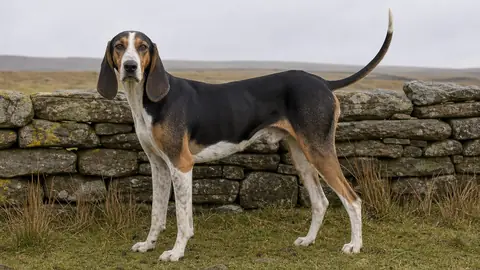 North Country BeagleAn extinct English hound whose whole modern description descends from one sentence Gervase Markham wrote about choosing a swift...
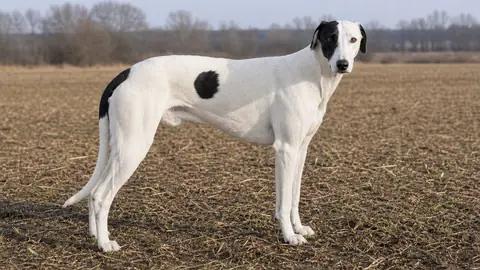 Old Croatian SighthoundEvery page ranking for this breed repeats the same four facts from one Wikipedia stub. The paper underneath that stub says the...
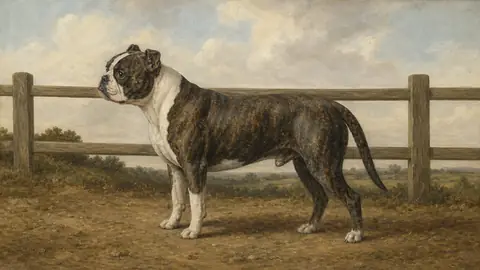 Old English BulldogThe bull-baiting dog of Georgian England, extinct for roughly two centuries, tested against Bonbeno's own two-condition rule and...
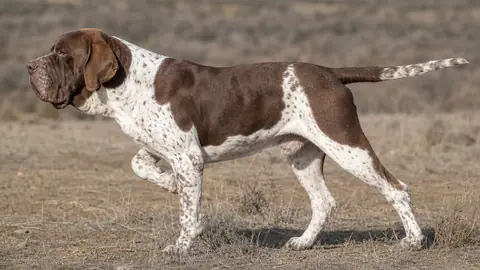 Old Spanish PointerA historical Iberian pointing stock, named in a Spanish government order as an antiguo tronco rather than a breed, and the source...
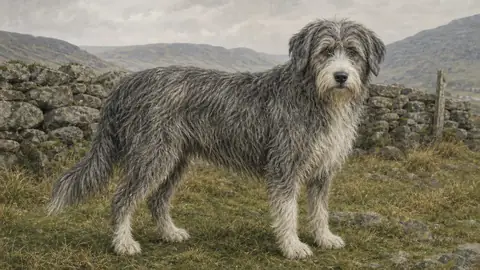 Old Welsh Grey SheepdogA breed that is gone, written from the documents rather than from the other pages about it, with every disagreement left standing.
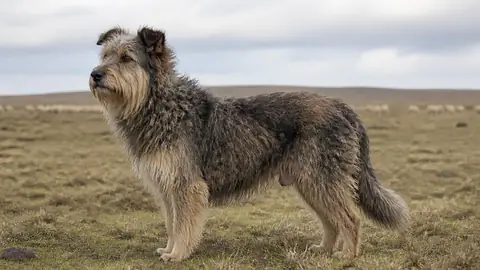 Patagonian SheepdogA working landrace in Chilean Patagonia that no registry holds, which genomics has identified as the closest living relative of...
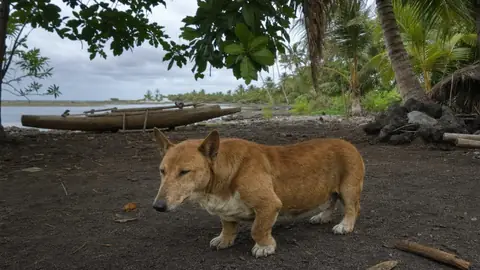 Polynesian DogWikipedia's list of extinct dog breeds calls this a catch-all term for four breeds. Wikipedia's own Polynesian Dog article lists...
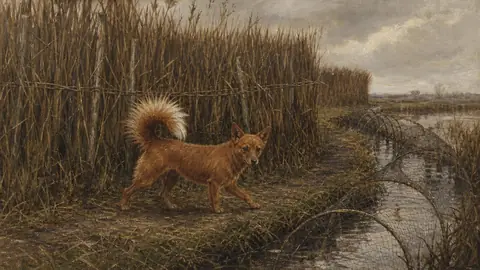 Red Decoy DogA fox-coloured English dog that lured ducks into nets, defined in 1886 by what it did rather than by what it was, and survived...
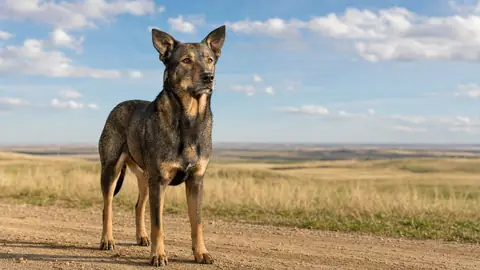 Rez dogIt names where a dog lives and how it lives, not what it descends from. Here is the peer-reviewed record, two tribal statutes...
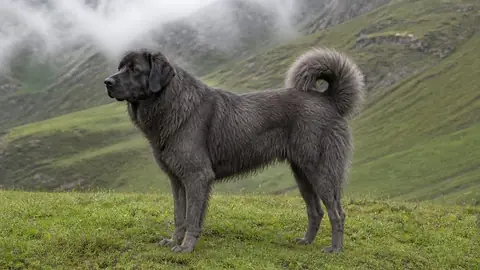 Rize KoyunA Black Sea flock guardian that the only scientists who ever measured it call a local type, from a province that gets 2,291.7 mm...
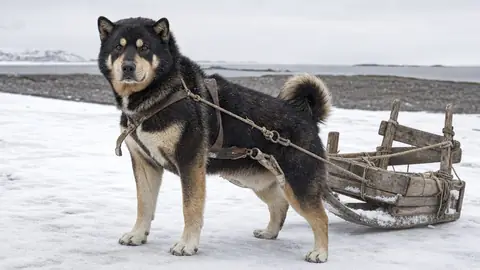 Sakhalin HuskyA Nivkh sledge landrace, famous for two dogs who survived eleven months alone in Antarctica, and held by no register anywhere on...
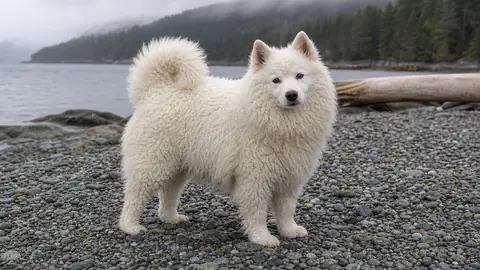 Salish Wool DogOne pelt, one genome, seven Elders and five thousand years of husbandry, read against the paperwork test this site applies to...
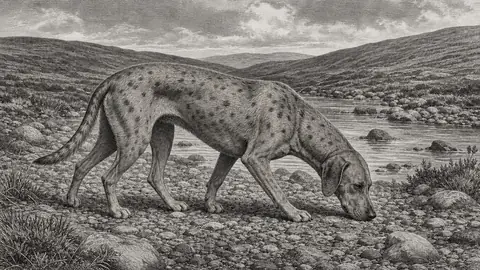 Sleuth HoundIt has no standard, no studbook and no separate existence, and the Royal Kennel Club says so on its own Bloodhound page. Here is...
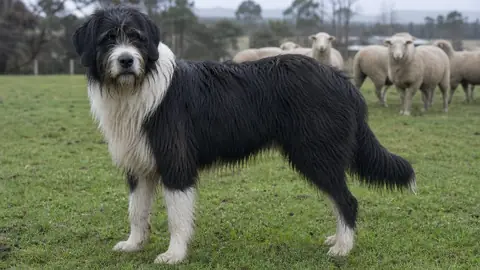 SmithfieldExtinct in Britain, pushed off the Australian mainland partly because it could not stand the heat, and surviving in the coolest...
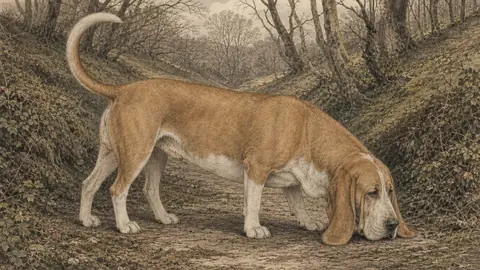 Southern HoundIt has no standard, no studbook, no photograph and no measurements, and it was declared extinct five years after the Kennel Club...
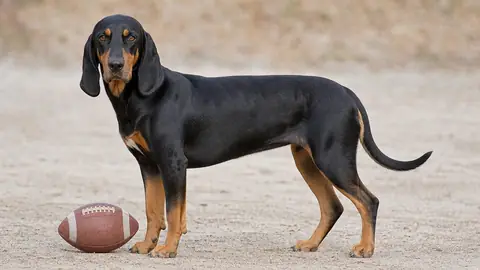 St. Hubert Jura HoundA Swiss hound type the governing standard records as gone, kept alive in English by one Wikipedia stub whose own infobox names a...
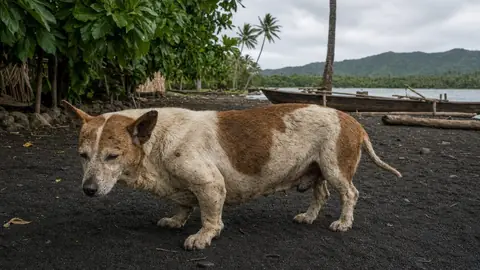 Tahitian DogCook's men ate it, Forster carried two aboard toward England, and Charles Hamilton Smith gave it a scientific name that covered...
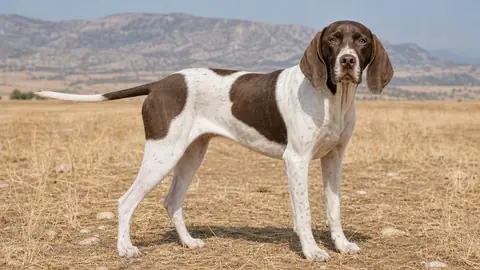 Tarsus CatalburunA rare Turkish pointing dog whose split nose was traced in 2025 to a loss-of-function variant in a gene linked to orofacial...
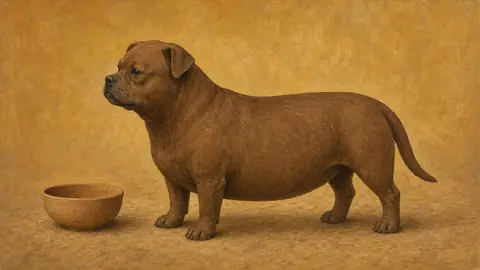 TechichiA name from colonial-era Mexico that the modern internet has turned into a breed profile, complete with a temperament, a lifespan...
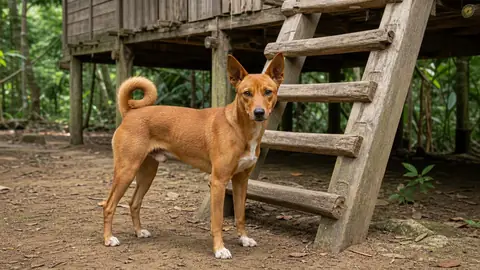 TelomianFour dogs left the Malay Peninsula between 1963 and 1973 and every Telomian in the West descends from them. Six published papers...
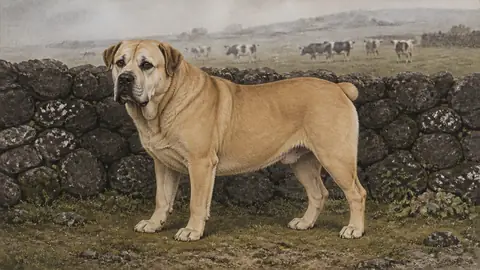 Terceira MastiffAn extinct Azorean fighting and cattle dog, absent from every register including its own national club's list of unrecognised...
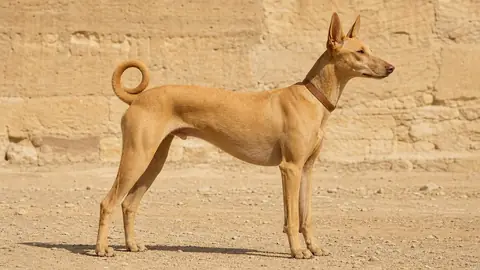 TesemA word, a depiction convention and a criticised 1907 skull study, read against the two-condition test this site applies to every...
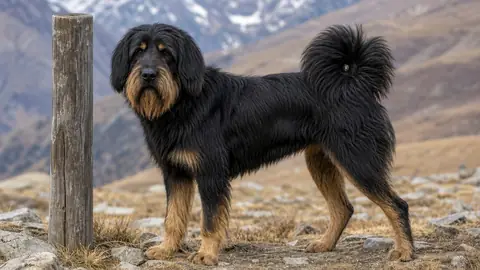 Tibetan Kyi ApsoSix dogs left Tibet in the 1990s and a club in the United States wrote them a standard. The club's own vice-president has since...
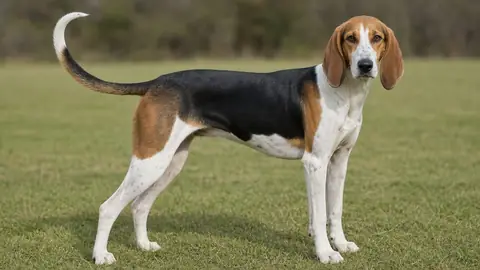 Trigg HoundThe Trigg is a strain of the American Foxhound rather than a separate breed, and the two documents that prove it are the...
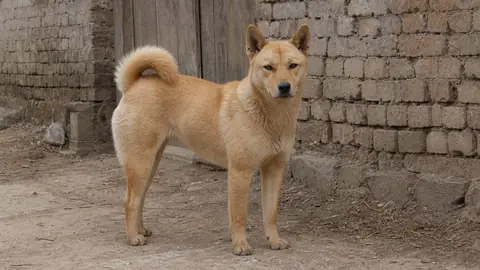 TugouChinese Wikipedia says in its own opening line that tugou is not the name of any specific breed. A Warwick ethnographer who spent...
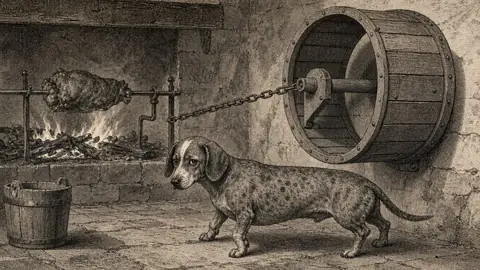 Turnspit dogIt was a job before it was a dog, and the job ended. Here is what the 1576 text actually says, when the last one is documented...
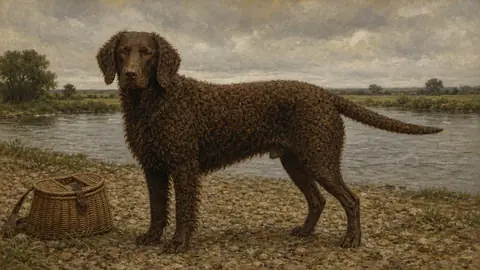 Tweed Water SpanielIt has no standard, no studbook, no photograph and no reliable eyewitness, and it is nonetheless the reason the most popular...
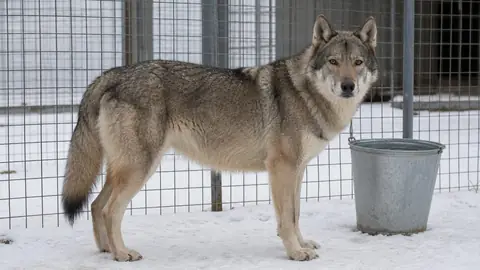 VolkosobA wolf and German Shepherd hybrid population bred at a Russian military institute from the late 1990s, named by Russian law as a...
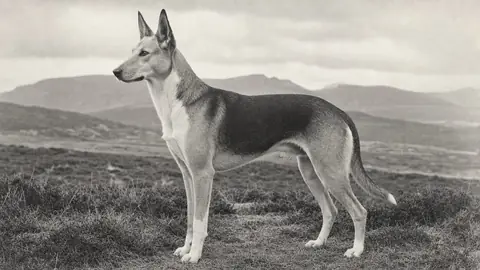 Welsh HillmanEverything published about this dog traces to a handful of sources, and two of them turn out to be one. Here is the citation...
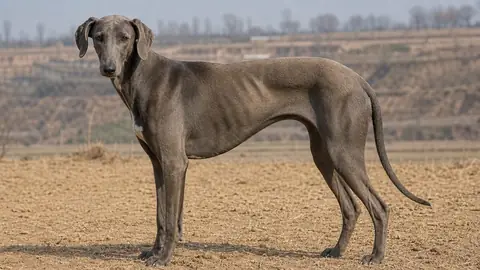 XigouWhy the Xigou is a category rather than a single breed, what a 170K SNP study actually measured in two of its populations, and...
Compare the breeds side by side
To compare these 61 breeds directly, read across the table rather than down the guides. Heat tolerance is a Bonbeno rating out of 5 for Indian conditions, and the reasoning behind each one sits on the breed's own page.
| Breed | Heat tolerance | Published price, India |
|---|---|---|
| Abyssinian Sand Terrier | 2 of 5 | Rs 98,999, printed three times on one page for two Maltipoos and a Doxiepoo |
| African village dog | 4 of 5 | No lawful import route exists, so no price exists |
| Alaskan Husky | 2 of 5 | None published |
| Alopekis | 4 of 5 | 0 of 40 breeds on India's fullest published list |
| Askal | 4 of 5 | See page |
| Assyrian Mastiff | 2 of 5 | None. No listing, no breeder, no rupee figure exists |
| Bankhar Dog | 1 of 5 | Zero, across 40 and 50-plus breeds |
| Black and Tan Terrier | 1 of 5 | None |
| Ca de Conills | 3 of 5 | See page |
| Cane Paratore | 2 of 5 | None |
| Cumberland Sheepdog | 1 of 5 | 0 |
| Córdoba fighting dog | 2 of 5 | None exists |
| Denmark Feist | 2 of 5 | USD 375 to 1,050 |
| Dikkulak | 2 of 5 | None, and no Indian seller was found |
| Dumfriesshire hound | 1 of 5 | See page |
| Erbi Txakur | 2 of 5 | See page |
| Fell Terrier | 2 of 5 | See page |
| Halls Heeler | 3 of 5 | 0 across three lists covering 40+, 50+ and 40 breeds |
| Jeju | 3 of 5 | 50,000 won to adopt and 30,000 won to buy, July 2017, once a year, one dog per person |
| Kamchatka Sled Dog | 1 of 5 | None. The breed is absent from India's fullest published 40-breed price list |
| King's White Hound | 2 of 5 | Rs 500, renewed at Rs 500 |
| Kuchi | 3 of 5 | See page |
| Kurdish Mastiff | 2 of 5 | Above USD 10,000. Bonbeno publishes no rupee conversion of that figure |
| Kurī | 2 of 5 | Zero in 127,066 characters, against 9 for Labrador as a control |
| Laconian | 3 of 5 | None exists |
| Lai Dog | 5 of 5 | About 1 million dong |
| Langqing | 2 of 5 | None exists, and any quoted figure is invented |
| Levriero Sardo | 2 of 5 | Rs 500, with 71 of 1,006 applications rejected this financial year |
| Liangshan Dog | 3 of 5 | None exists, and this page publishes none |
| Mackenzie River Husky | 1 of 5 | None. The breed is absent from India's fullest published 40-breed price list |
| Norman Hound | 1 of 5 | None exists, and any quoted figure is invented |
| North Country Beagle | 2 of 5 | Zero of ten. Nine results describe the living Beagle and the tenth sells merchandise |
| Old Croatian Sighthound | 1 of 5 | Rs 2,500 to Rs 6,000 across three published Indian schedules |
| Old English Bulldog | 1 of 5 | None exists. Indian results for the name sell the modern English Bulldog instead |
| Old Spanish Pointer | 3 of 5 | See page |
| Old Welsh Grey Sheepdog | 1 of 5 | From Rs 1,359 for a 120-minute session |
| Patagonian Sheepdog | 1 of 5 | Three to five pounds sterling in the 1890s, against ten for a work horse |
| Polynesian Dog | 5 of 5 | Rs 1,103 |
| Red Decoy Dog | 2 of 5 | See page |
| Rez dog | 3 of 5 | See page |
| Rize Koyun | 1 of 5 | See page |
| Sakhalin Husky | 1 of 5 | See page |
| Salish Wool Dog | 1 of 5 | Rs 45,000 to Rs 2,00,000 and above for a Siberian Husky |
| Sleuth Hound | 1 of 5 | Rs 25,000-90,000+ and Rs 15,000-40,000 |
| Smithfield | 1 of 5 | None published anywhere |
| Southern Hound | 1 of 5 | None exists. Two of the top ten Indian results are about the American South |
| St. Hubert Jura Hound | 1 of 5 | See page |
| Tahitian Dog | 5 of 5 | Rs 1,103 |
| Tarsus Catalburun | 4 of 5 | See page |
| Techichi | 3 of 5 | Eight of eight were about the Chihuahua, none about the Techichi |
| Telomian | 4 of 5 | Rs 500 for an Indian street dog against Rs 80,000 for a breeder puppy |
| Terceira Mastiff | 1 of 5 | Rs 699, with the 9-in-1 from Rs 899 |
| Tesem | 5 of 5 | Rs 0 to Rs 5,000 for an Indian pariah dog |
| Tibetan Kyi Apso | 1 of 5 | See page |
| Trigg Hound | 2 of 5 | See page |
| Tugou | 4 of 5 | none exists |
| Turnspit dog | 1 of 5 | None exists, and any figure quoted is invented |
| Tweed Water Spaniel | 1 of 5 | None exists. The first result for the query is a Golden Retriever price page |
| Volkosob | 1 of 5 | Absent. 'Volkosob' and 'Wolf' each occur zero times |
| Welsh Hillman | 1 of 5 | See page |
| Xigou | 3 of 5 | See page |
What matters in this group
The points below are what the evidence on these 61 guides actually supports, not what the category is assumed to mean.
- What separates a breed from a type is a document rather than a dog. A breed has a written standard and a studbook behind it, so a puppy can be measured against something; a type is a description, and several unrelated dogs can satisfy it at once. That is why this page groups by status instead of by shape. The fell terrier, the Alaskan Husky and the dikkulak have almost nothing physical in common. What they share is that no register anywhere holds the name.
- This is not the same question as a name that covers several real breeds, and the two are confused constantly. Coonhound covers six American scenthound breeds with six published standards. Fox Terrier covers two, FCI standards 12 and 169. Foxhound covers four dogs of which two hold international standards. In every one of those cases the useful answer is which breed, and those guides give it. Here there is no breed to name, which is a different problem and belongs on a different page.
- Landrace is not the opposite of breed, and treating it as though it were is the commonest error in this material. The English Shepherd's own parent club describes the dog in writing as a standardised breed and a landrace at once, and the United Kennel Club has registered it since 1927. The Africanis is a southern African landrace, and the Kennel Union of Southern Africa publishes an Official Breed Standard for it as an Emerging Breed, effective 1 January 2017. Both are landraces, both have a document, and neither belongs here. What puts a dog on this page is a missing document, not the way the population was shaped.
- The two documents come apart, and the Kamchatka sled dog is where this page had to learn it. A standard for that dog was approved by the Russian Federation of Service Dog Breeding on 26 February 1992, and it is detailed enough to permit every colour from black to white and to fault light eyes and odd eyes. No register ever opened against it. The Russian Kynological Federation does keep nationally recognised breeds that the FCI has not recognised, and its Group V list holds four of them, including the Chukotka sled dog. That dog is the control: it was surveyed by the same researcher in the same years, its standard was approved in 1999, and a register entry came with it. The Kamchatka project produced the document and never the studbook, so there is something to measure a puppy against and nobody recording which puppies were measured. A standard on its own does not make a breed, which is why the test on every guide here is both documents and not either one. The Levriero Sardo shows the same gap from the other side. Italy's ENCI runs a third register, the Registro Supplementare Aperto, created specifically for native populations being recovered as breeds; the Sardinian Cane Fonnese is already on it, and the Levriero Sardo is on none of ENCI's three. A register standing open and unused is not a technicality keeping a breed out. It is the clearest possible evidence that nobody has done the work. The mirror case exists too, and this page does not hold it. The West Country Harrier has sat in the Association of Masters of Harriers and Beagles stud book since 1891 and no registry has ever described it in writing; the Welsh Sheepdog Society keeps two studbooks for a dog no kennel club has written a standard for; the New Zealand Heading Dog has a continuously maintained studbook and no written standard anywhere. Their own guides file that as a fourth state, a register without a standard, and keep them off this page, because a real register does hold the dog and a buyer can check a pedigree even where nobody can check the animal against a description.
- The names here are doing five different jobs, and which one it is changes what a buyer should ask. Dikkulak is Turkish for erect ear, a description of the dog standing in front of you. Askal is short for asong kalye, Filipino for street dog. Denmark Feist is neither Danish nor a place, it is Dennis Willis and Mark Slade, the two men who presented a Virginia family's bloodline as a breed in 1984. Ca de Conills is a legal category, catalogued by Balearic Decret 5/2007 as an agrupacio racial, defined in that law as a population susceptible of being considered as a breed. African village dog is a research category, and the largest genetic study of those dogs found several distinct regional populations rather than one.
- For an Indian buyer the consequence is short. No pedigree can exist under any of these names, so paperwork offered with one is either empty or for a different dog. The Erbi Txakur is the case that proves the point rather than the exception to it: its dogs genuinely are registered, and they are registered as Sabueso Espanol of a particular line, which is what the Basque hunting society that keeps them says in writing. None of this is a criticism of the animals. A fell terrier works, a bankhar guards, and an unregistered dog is not an inferior one. It means only that there is no document to check, in a market where the document is usually the pitch.
Membership is generated from the breed data itself, not typed by hand, so this list cannot drift from the guides it points at and fills in as more publish. The 61 guides here cite 2057 sources between them.
This page is a directory of published Bonbeno guides, generated from their data rather than written as clinical guidance, so no veterinarian reviewed this page itself. Each linked guide carries its own veterinary review and its own health sections. Breed level evidence describes populations, and your animal is an individual, so consult your nearby vet before acting on anything you read here.
Common questions
How does Bonbeno decide which breeds belong on this page?
Membership is generated from each breed's own published data rather than chosen by an editor. The group is defined by a shared trait rather than a rating, so its members are named in the site's own cluster definition and each one is checked against the published guide before it appears. A breed appears here the moment its guide publishes and meets that rule, and never before, which is why no link on this page can point at a guide that does not exist.
What is a Bonbeno heat tolerance rating?
It is a 1 to 5 rating of how well a breed copes with Indian conditions, where 5 is best. Almost no international breed reference publishes one, and in a country where summer temperatures pass 45 C it is the most decision-relevant trait there is. It is Bonbeno's own judgement, built from published heat-illness evidence where that exists and stated as inference where it does not.
Are the prices on this page current?
Each price is read from that breed's own guide, where it is compared across published Indian sources and cited. Published Indian breed prices disagree widely between sellers, sometimes by more than a lakh for the same breed, so treat the figure here as the lowest band Bonbeno found and read the guide for the full range.
Does Bonbeno sell or broker any of these dogs?
No. Bonbeno does not sell pet food, products or animals and does not broker puppy or kitten sales. Nothing on this page is a listing, and no breeder or seller can pay to appear on it.